Old Snowmass vs Woody Creek: Which Ranch Setting Fits?
Trying to choose between Old Snowmass and Woody Creek? At first glance, both offer a rural Pitkin County setting west of Aspen, but they deliver two very different versions of the ranch lifestyle. If you want to understand whether you are better suited to wide-open pasture land or a smaller river-oriented community, this guide will help you compare the feel, land patterns, and day-to-day character of each. Let’s dive in.
Old Snowmass and Woody Creek are both unincorporated communities in Pitkin County, but they operate on different scales. Old Snowmass sits within the broader Snowmass Creek and Capitol Creek planning area, guided by the county’s Valleys of Capitol Creek and Lower Snowmass Creek planning framework. Woody Creek is a much smaller, more defined community with its own county caucus structure and a population of 290 residents in the 2020 Census, according to Pitkin County’s hazard mitigation plan.
That difference matters when you start looking at property character. Old Snowmass tends to feel like a dispersed rural valley, while Woody Creek feels more like a compact hamlet with a clearer local core. In simple terms, Old Snowmass offers more of the expansive ranch setting, while Woody Creek leans toward a small river-valley community.
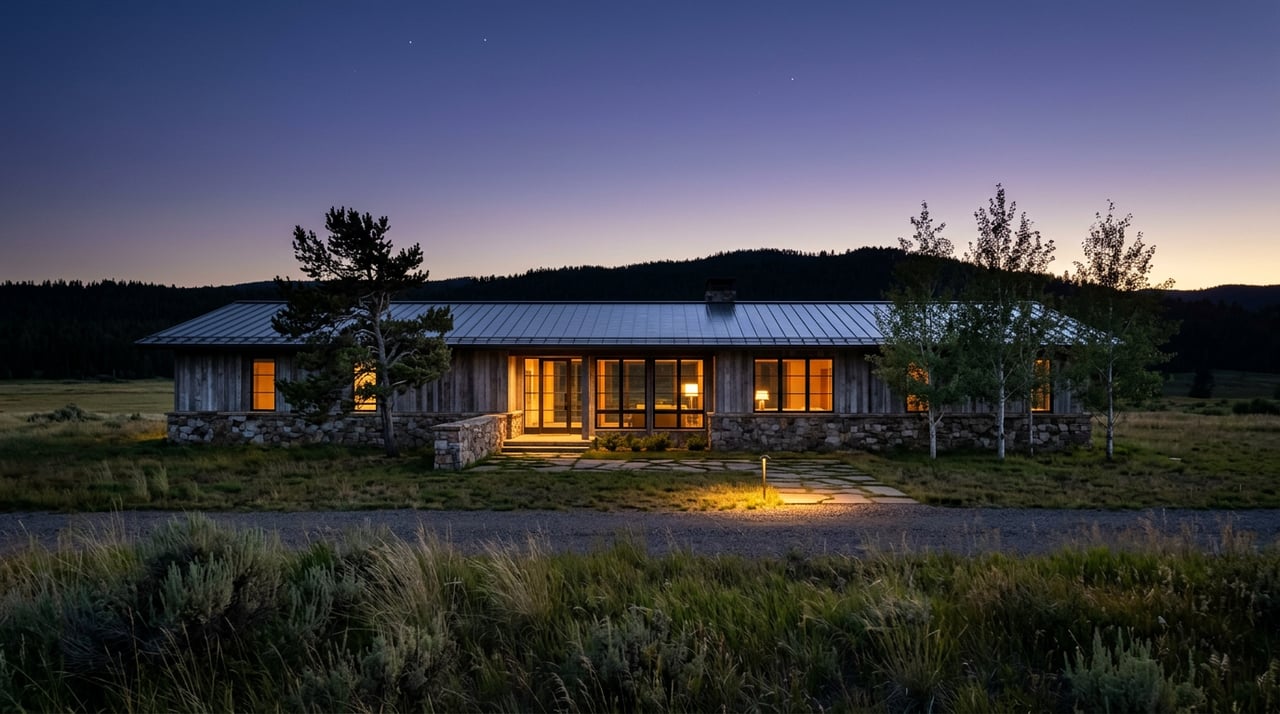
If your idea of ranch living starts with open meadows, pasture, and long views, Old Snowmass is often the more natural fit. The county’s master plan for the Valleys of Capitol Creek and Lower Snowmass Creek describes the area as predominantly rural and agricultural, with open pastures, meadows, wildlife habitat, riparian corridors, and working agricultural uses.
That same plan points to livestock grazing, equestrian activity, and irrigated farming of alfalfa and native grasses as part of the area’s landscape. It also emphasizes that buildings should remain visually subordinate to the natural surroundings. For you as a buyer, that often translates into a setting where the land itself is the main attraction.
County zoning helps explain why Old Snowmass feels this way. Pitkin County’s rural dimensional standards list minimum lot sizes ranging from 160 acres in RS-160 to 35 acres in RS-35, 20 acres in RS-20, 10 acres in AR-10, and 2 acres in AR-2.
The Old Snowmass zoning inset shows a mix that includes AR-10, AR-2, and RS-20 districts, along with some public and mixed-use exceptions. In practical terms, that points to a landscape where larger rural parcels are common, even though there are some legacy variations. If you are looking for acreage, room for agricultural uses, or a property with ranch infrastructure, Old Snowmass is usually the stronger match.
Nearby county open-space properties reinforce that identity. Deer Creek Open Space includes horse pasture and Roaring Fork River access, while Lazy Glen Open Space and Wheatley Open Space add agricultural lease areas, barn space, irrigated land, river frontage, and trail connections, all described in county materials.
Taken together, those examples support what many buyers are looking for in this part of the valley: land that feels connected to agriculture, stewardship, and outdoor access. If your priorities include pasture, barns, corrals, irrigation, or a more private rural setting, Old Snowmass usually delivers the deeper ranch experience.
Woody Creek is also rural, but it offers a different kind of rhythm. The county’s Woody Creek Master Plan describes it as a rural residential community where open space, agricultural lands, and wildlife habitat remain central, with modest roads and a long-standing effort to limit commercial development.
What makes Woody Creek distinct is that its social and public life is more concentrated. The county recognizes a Woody Creek Caucus, and its regular meeting schedule reflects a community with a more visible civic identity. For you, that can create a stronger sense of place than you may feel in a more dispersed rural valley.
Woody Creek’s identity is closely tied to the Roaring Fork River corridor. Wilton Jaffee Sr. Park offers a boat ramp, river recreation access, and connections to the AspenMass Trail and the Rio Grande Trail. County materials also describe the Roaring Fork Gorge, stretching from Aspen to Woody Creek, as a setting used for rafting, kayaking, and angling.
If your version of mountain living centers more on river access, trail connections, and a compact rural community, Woody Creek may feel more aligned with your lifestyle. It still protects a rural character, but it does so with a more obvious community nucleus.
The Woody Creek Master Plan makes the area’s development pattern especially clear. It supports a small commercial and public footprint within the Woody Creek Plaza area, while limiting broader commercial expansion and preserving surrounding residential character. The plan also notes that the WC Subdivision is treated as a noncommercial residential area and that public structures such as the post office and firehouse are intended to remain low-profile and rustic in scale.
That means Woody Creek does not read like a growing village center. Instead, it feels like a protected neighborhood with a small local core. If you want a rural setting that still offers a bit more day-to-day structure and proximity to Aspen-side amenities, Woody Creek often stands out.
The easiest way to compare these two communities is to think in terms of scale and setting. Old Snowmass is generally the better fit if you want broad acreage, stronger ranch infrastructure potential, and a setting where open land shapes daily life. Woody Creek is generally the better fit if you want a smaller community with a strong river-and-trail identity and a more defined local center.
Here is a simple side-by-side view:
| Feature | Old Snowmass | Woody Creek |
|---|---|---|
| Overall feel | Dispersed rural valley | Compact rural hamlet |
| Landscape identity | Pasture, meadows, agriculture | River corridor, trails, neighborhood core |
| Typical land pattern | Larger rural parcels | Rural residential parcels with a small core |
| Best fit for | Buyers seeking acreage and ranch character | Buyers seeking river access and community definition |
| Community scale | Broad and spread out | Small and more concentrated |
This is why many buyers describe the choice as pasture-depth versus river-hamlet character. Both are scenic and rural, but the experience of living there can feel quite different.
If privacy, seclusion, and land use flexibility are at the top of your list, Old Snowmass often deserves a closer look. The county planning framework consistently points to open meadows, agricultural use, equestrian activity, and large-lot patterns as defining features. That combination tends to appeal to buyers who want a true ranch setting rather than just a rural address.
If you want a place that still feels rural but has a more recognizable community structure, Woody Creek may be more compelling. Its master plan, caucus activity, and river-oriented amenities all support the idea of a small but distinct hamlet. For some buyers, that balance of rural character and community identity is exactly the right fit.
It is also worth remembering that both areas sit within a county deeply invested in conservation. Pitkin County Open Space and Trails says it conserves nearly 30,000 acres and maintains 86 miles of trails plus 60 miles of Nordic trails, as noted on the county’s Open Space and Trails information page. That broader stewardship shows up in both Old Snowmass and Woody Creek through scenic protection, wildlife sensitivity, and long-term land management priorities.
If you are choosing between the two, Old Snowmass is best understood as the deeper rural retreat. It is the place where the ranch lifestyle feels most expansive, with broader acreage patterns, agricultural context, and a stronger sense that the landscape leads.
Woody Creek, by contrast, is the closer-in river hamlet. It stays rural and low-profile, but it offers a more compact community identity, more direct river-and-trail character, and a slightly more connected day-to-day feel.
The right choice depends on how you want ranch living to look in practice. If you want help evaluating acreage, land-use context, or the finer differences between Pitkin County micro-markets, Jennifer Banner offers discreet, highly tailored guidance for buyers and sellers across Snowmass, Woody Creek, and the broader Aspen area.
Stay up to date on the latest real estate trends.