Experience the West End Aspen Lifestyle of Historic Luxury
Picture yourself stepping out your front door onto a quiet, tree‑lined street, coffee in hand, with downtown Aspen and the Ajax gondola just a short stroll away. If you want the ease of walk-to-everything living without giving up privacy or architectural character, Aspen’s West End delivers a rare blend of history and modern comfort. In this guide, you’ll learn what day-to-day life feels like, how the homes are built and renovated, what rules to know, and how to decide if West End fits your goals. Let’s dive in.
The West End sits immediately west of Main Street, placing you near downtown shops, galleries, cafés and the base of Aspen Mountain. The neighborhood is residential and peaceful, yet close to the energy of town. You get the best of both worlds: a quiet street scene and instant access to Aspen’s culture, dining and transit.
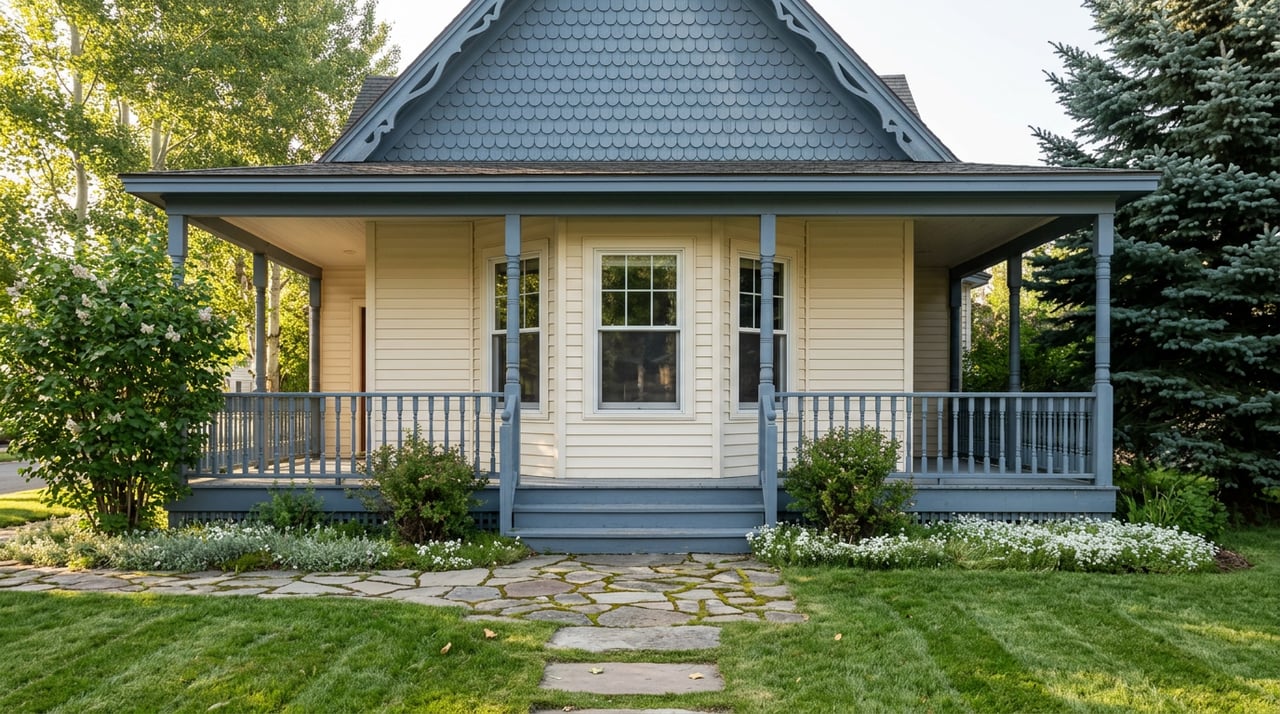
Much of the area dates to Aspen’s silver-boom era. You will find Victorian-era cottages and turn-of-the-century homes that have been carefully restored. Many exteriors maintain historic charm while interiors reflect today’s luxury standards, creating a distinctive streetscape.
Compared with other neighborhoods, West End is more intimate and walkable than Downtown/Main Street addresses that front retail. Versus Red Mountain or Snowmass, you trade large-acreage estates and higher-elevation privacy for proximity to town and cultural venues. Compared with riverfront areas and West Aspen, West End feels denser and more historic, with smaller lots and a rich architectural mix.
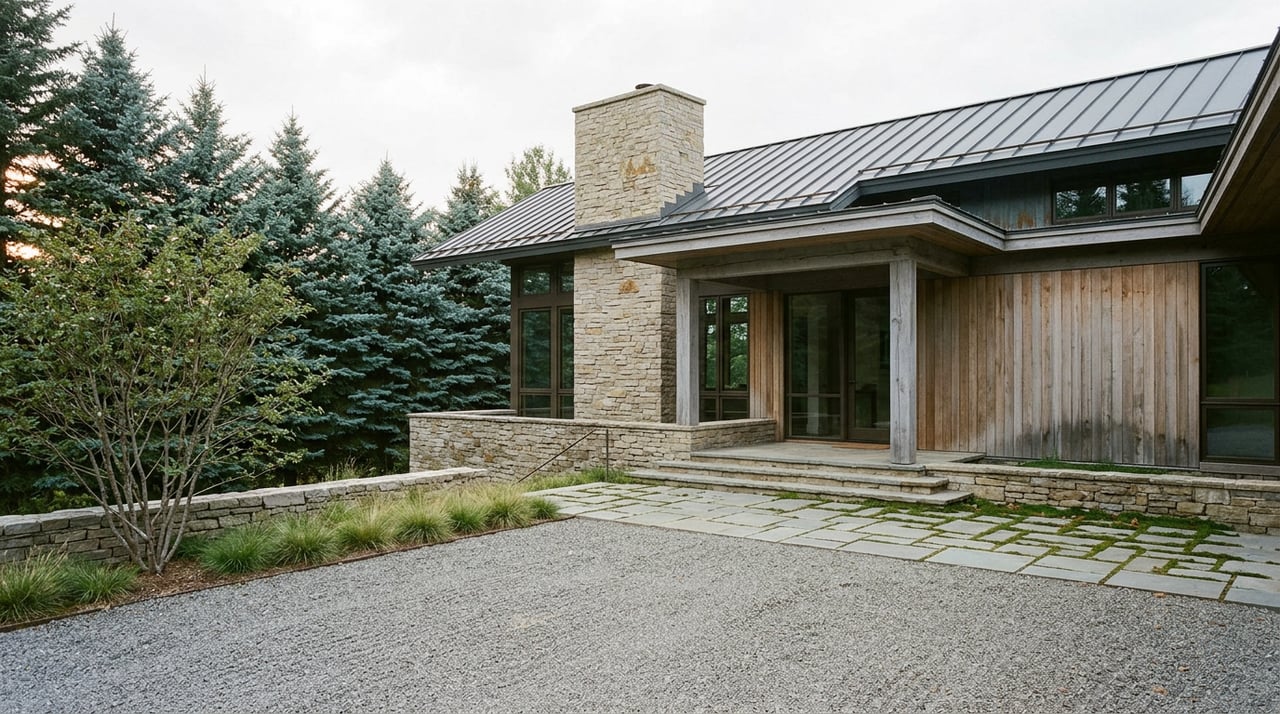
You will see a range of property types: restored Victorians, sensitively expanded cottages, and renovated single-family homes. Some blocks include townhomes or duplexes that reflect the compact lot fabric. Many residences hide fully modernized interiors behind preserved façades.
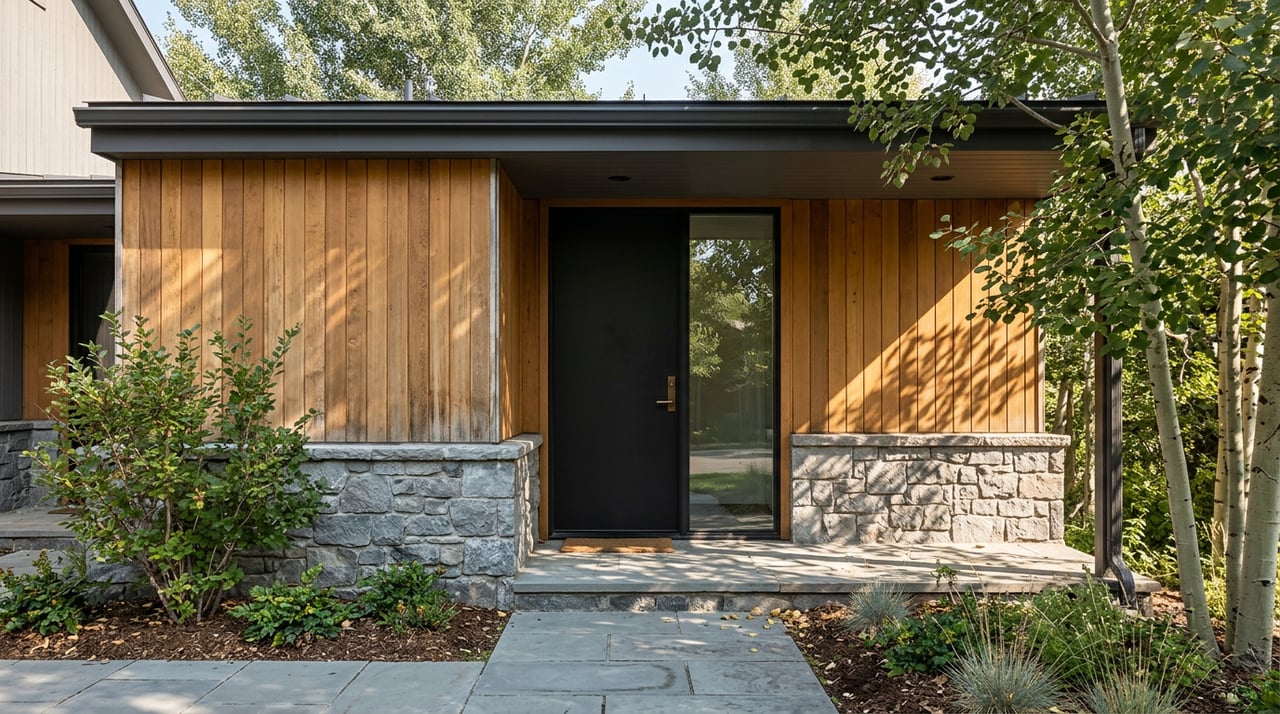
High-end renovations often open up the floor plan and add chef-level kitchens, upgraded mechanical systems and smart-home features. Some properties introduce guest suites or carriage-house-style spaces that fit within zoning and preservation guidelines. Because lots are smaller, off-street parking and enclosed garage storage are meaningful value drivers.
Older homes can require thoughtful stewardship. Expect to evaluate structural and mechanical upgrades, and consider potential legacy materials in very old houses. Sensitive renovation is common, and many owners invest in modern systems to support year-round comfort while maintaining historic character.
Living in West End means everyday errands and spontaneous outings come easy. You can stroll to Main Street for coffee, pick up essentials, or meet friends for dinner without planning logistics. Local transit options through the Roaring Fork Transportation Authority keep you connected to the broader valley, including free and seasonal routes that make car-free days simple. For routes and schedules, consult the Roaring Fork Transportation Authority.
Winter brings quick access to Aspen Mountain. The gondola and lift access are a short walk or drive, so you can fit in a few runs between meetings or head up early for first tracks. In summer, you have hiking and biking right from town, including the multi-use Rio Grande corridor and nearby open-space trails.
The neighborhood’s rhythm shifts with the seasons. Winter and summer are peak periods, with a busy cultural calendar and more visitors in town. Spring and fall are quieter shoulder seasons with a slower pace and reduced hours at some shops. Many West End homes serve as second residences, which can shape occupancy patterns across the year.
West End places you close to Aspen’s marquee cultural institutions. You can walk to contemporary exhibitions at the Aspen Art Museum, attend summer concerts through the Aspen Music Festival and School, or engage with talks and programs hosted by the Aspen Institute. The Aspen Chamber maintains an ongoing events calendar to help you plan your season; explore current highlights through the Aspen Chamber.
Evenings are easy to plan. You might fit in a gallery visit, dinner downtown and a performance, then return to a quiet, residential street. Many West End owners enjoy low-key nights at home after busy days on the mountain or around town.
West End’s compact lots create a cozy, neighborhood feel that is different from the larger estates elsewhere in Aspen. If you value walkability, character and short distances to dining and events, West End stands out. If you want expansive grounds, long views and greater separation from neighbors, you may prefer higher-elevation enclaves. The choice comes down to daily lifestyle priorities.
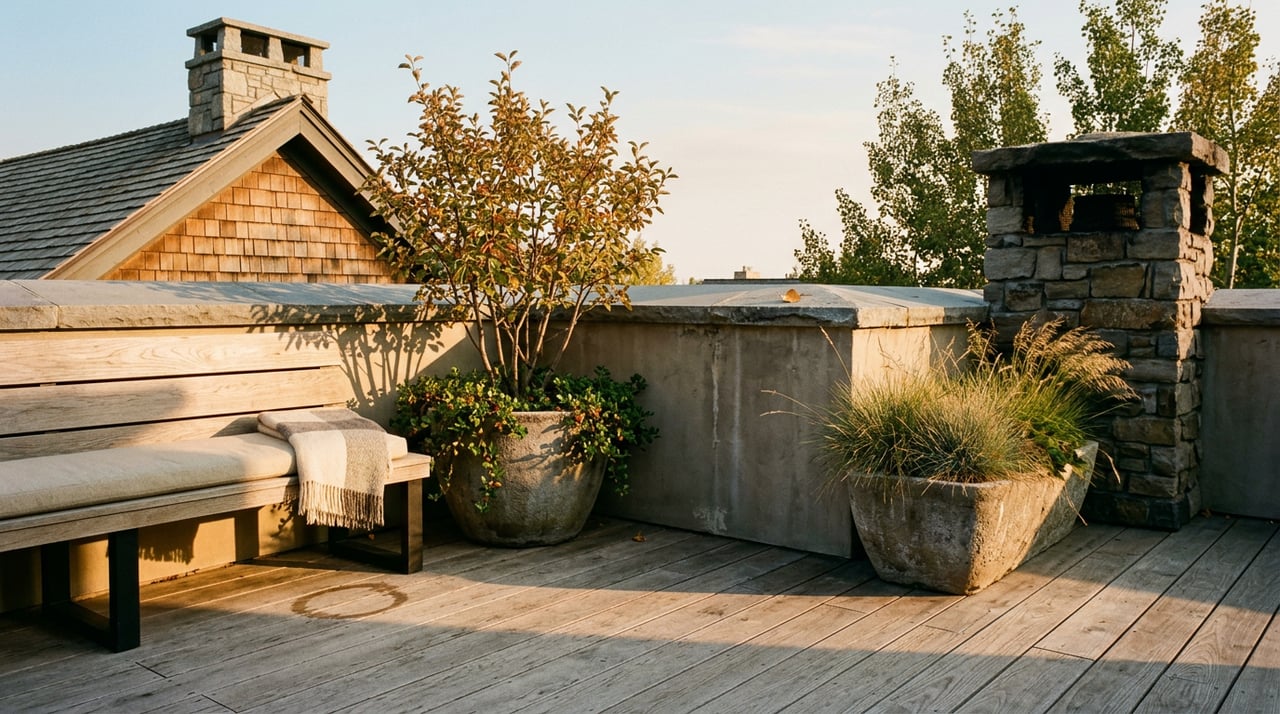
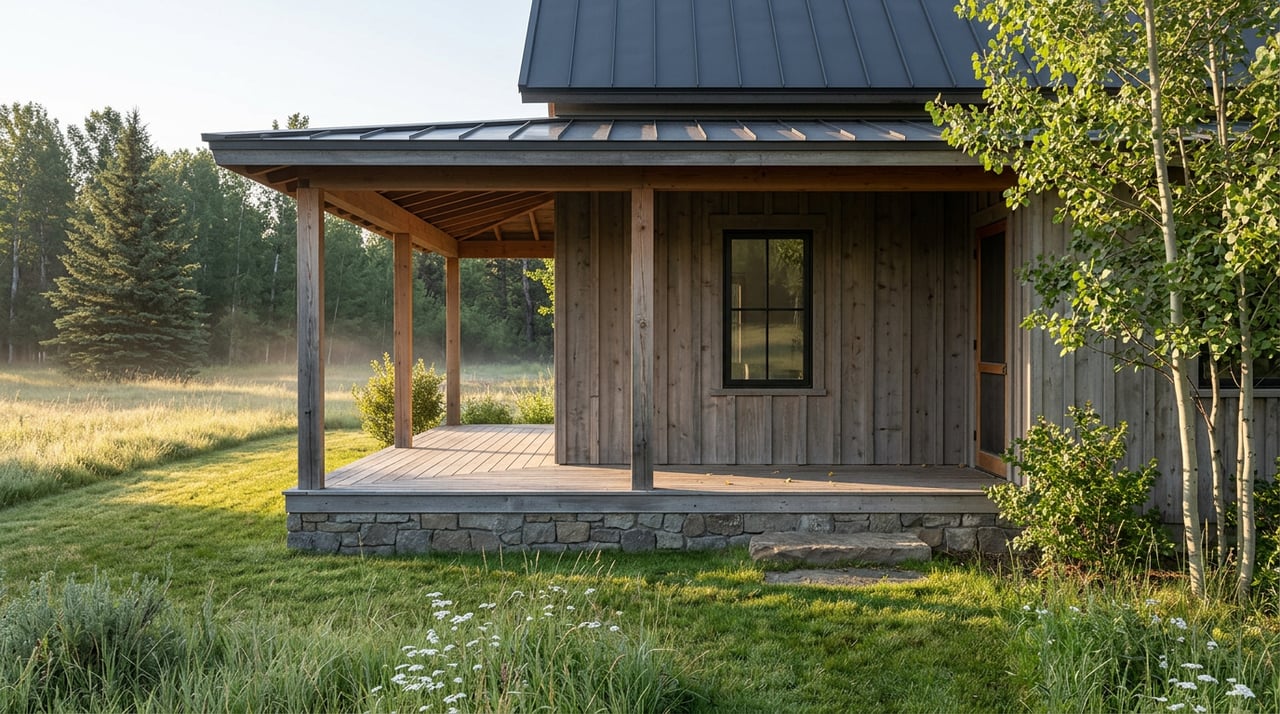
Smaller lots also shape practical considerations. Off-street parking can be limited, so garages and well-designed storage are especially meaningful. Outdoor spaces tend to be intimate and oriented to courtyards or porches rather than broad lawns.
Inventory in West End is limited, and the neighborhood attracts buyers who want historic charm with town-side convenience. Many purchases are by second-home owners or buyers seeking a central Aspen base with easy cultural and ski access. Because properties are scarce and lots are smaller, individual homes can command premiums compared with less central neighborhoods.
In a luxury resort market, off-market and private offerings are common. Serious buyers often work discretely with a broker who tracks listings before they are public and who understands preservation, design review and renovation potential. A local network matters when inventory is measured in handfuls, not dozens.
Before you buy or plan renovations, it is smart to confirm rules that can affect use, design and operating costs. Start with these:
Because rules change, make verification part of your due diligence. Your team can request records, permits and any recorded covenants or easements that may affect development or alterations.
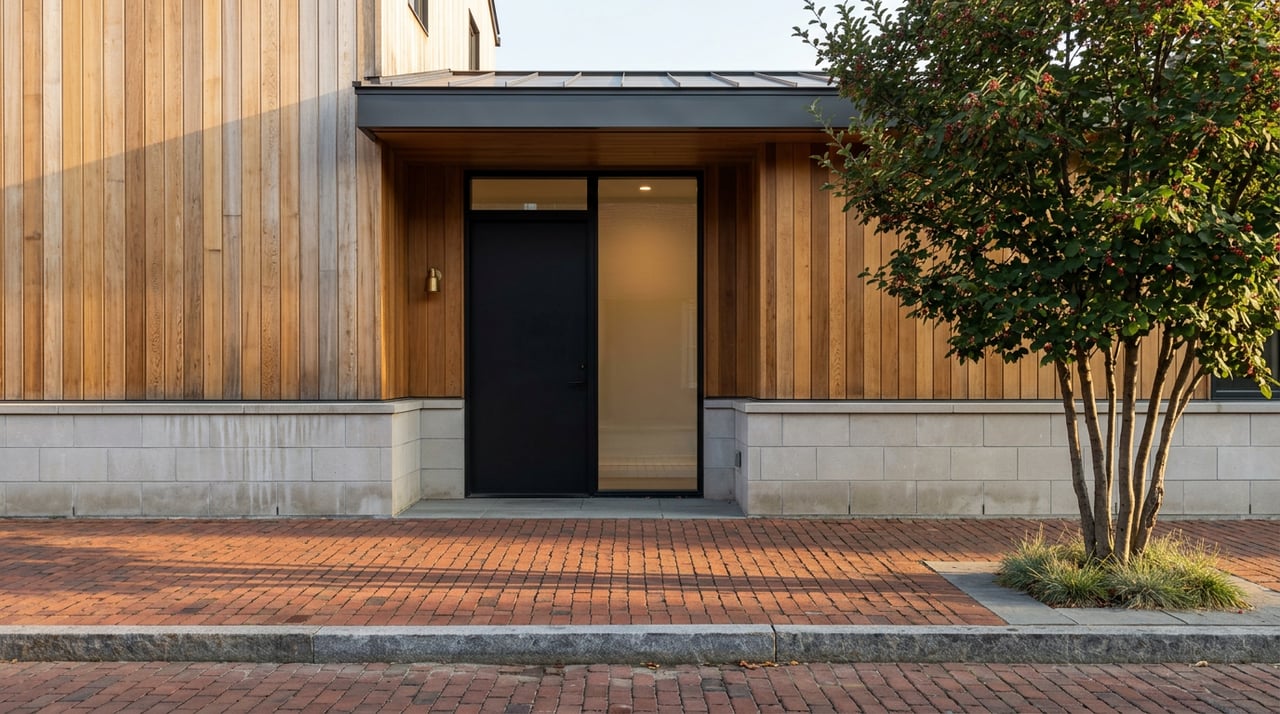
Many West End buyers modernize interiors while preserving the façade and streetscape. The most successful projects begin with a team that knows local preservation practices and building conditions typical of older homes.
Plan for structural and systems upgrades, from roofing and snow-load considerations to insulation and mechanicals. Sensitive material handling may be part of the scope in very old structures. Work with professionals who can align your design vision with local review standards and the neighborhood’s character. For historical context and background, the Aspen Historical Society offers valuable resources.
Central neighborhoods like West End typically enjoy municipal services such as water, sewer and city snow removal on public streets. You are still responsible for your driveway, walkways and private garage maintenance, which is worth planning for if you intend to visit during heavy-snow periods. Property management support can streamline seasonal arrivals, maintenance and vendor coordination.
Insurance and maintenance premiums can reflect mountain weather and older construction. If you are considering a historic structure, budget for inspection, engineering review and a line item for improvements in the first ownership year. These steps help you set realistic expectations and protect long-term value.
Choose West End if you want a walkable, culturally connected lifestyle with historic charm and immediate access to downtown and the slopes. You will likely accept smaller lots and a more intimate street experience in exchange for everyday convenience and character.
If you prefer larger acreage, wider separation from neighbors and a more secluded feel, consider alternative neighborhoods that trade walkability for privacy. Your goals, household rhythms and appetite for renovation will guide the decision.
In a neighborhood where each home is unique and listings are scarce, expert local guidance makes a difference. You benefit from discreet access to off-market opportunities, counsel on preservation and zoning, and a clear-eyed plan for renovation potential and ownership costs. We help you verify rules with the right municipal offices, assemble a team of local specialists, and negotiate with confidence in a competitive segment.
Ready to explore the West End and identify the right opportunity for your lifestyle and long-term goals? Schedule a confidential consultation with Jennifer Banner to get started.
Stay up to date on the latest real estate trends.