East Aspen Real Estate Guide to Quiet, Private Living

Craving a quieter Aspen address without giving up quick access to the core? East Aspen pairs river meadows and open space with a simple bike or short drive to town. If you want privacy, scenery and a calm streetscape near world-class dining and the gondola, this neighborhood belongs on your shortlist. In this guide, you’ll learn how East Aspen is laid out, what lifestyle it delivers, what homes cost, and the due diligence that protects your investment. Let’s dive in.
East Aspen describes the neighborhoods just east of downtown Aspen along the Roaring Fork River and toward Independence Pass on Highway 82. Locals refer to sub-areas like Knollwood, Eastwood, Mountain Valley, Smuggler and Riverside, parcels near the Aspen Club, and the Preserve and Stillwater corridor by North Star. You’ll find a mix of riverside flats and low to mid elevation foothill lots between the Roaring Fork and Smuggler or Red Mountain. This location is central to the neighborhood’s identity and value.
Much of East Aspen edges the Roaring Fork’s calmer stretches near North Star and Stillwater. People paddleboard, fly-fish and take mellow summer floats when conditions allow. The North Star Nature Preserve is protected open space with active management to balance recreation and habitat, which helps keep the corridor quiet and scenic. You can learn more about the preserve’s history and stewardship in this overview from Aspen Journalism that outlines the North Star management approach and restoration work.
You can connect to local trails, bike lanes and multi-use routes from many East Aspen addresses. That includes links into town and toward the Rio Grande corridor for longer rides. County partners have invested in protecting wetlands and trail corridors in this area, which supports biking, walking and winter loops. Aspen Journalism summarizes the preserve’s trail and access planning.
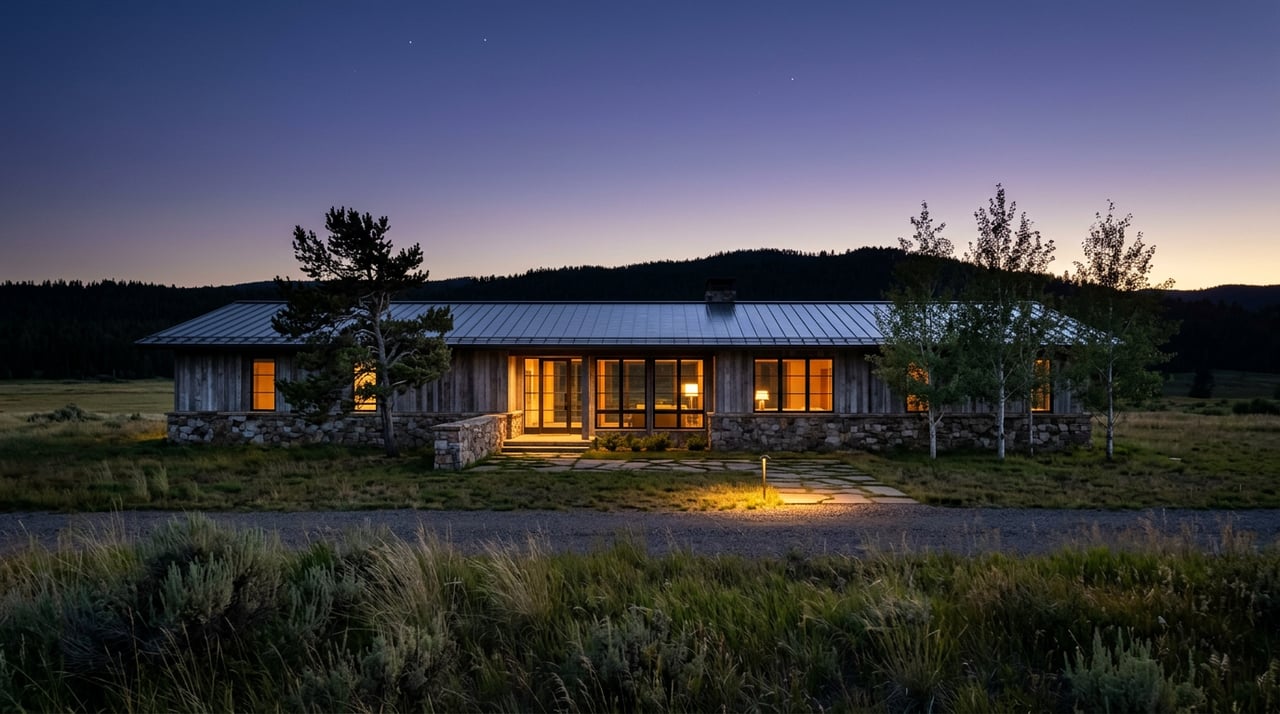
The draw is simple: you trade a quieter streetscape for minutes to downtown. Many homes capture river or meadow views yet keep your trip to dining, culture and the gondola short and easy. It is a rare blend of seclusion and convenience that appeals to both year-round owners and seasonal buyers.
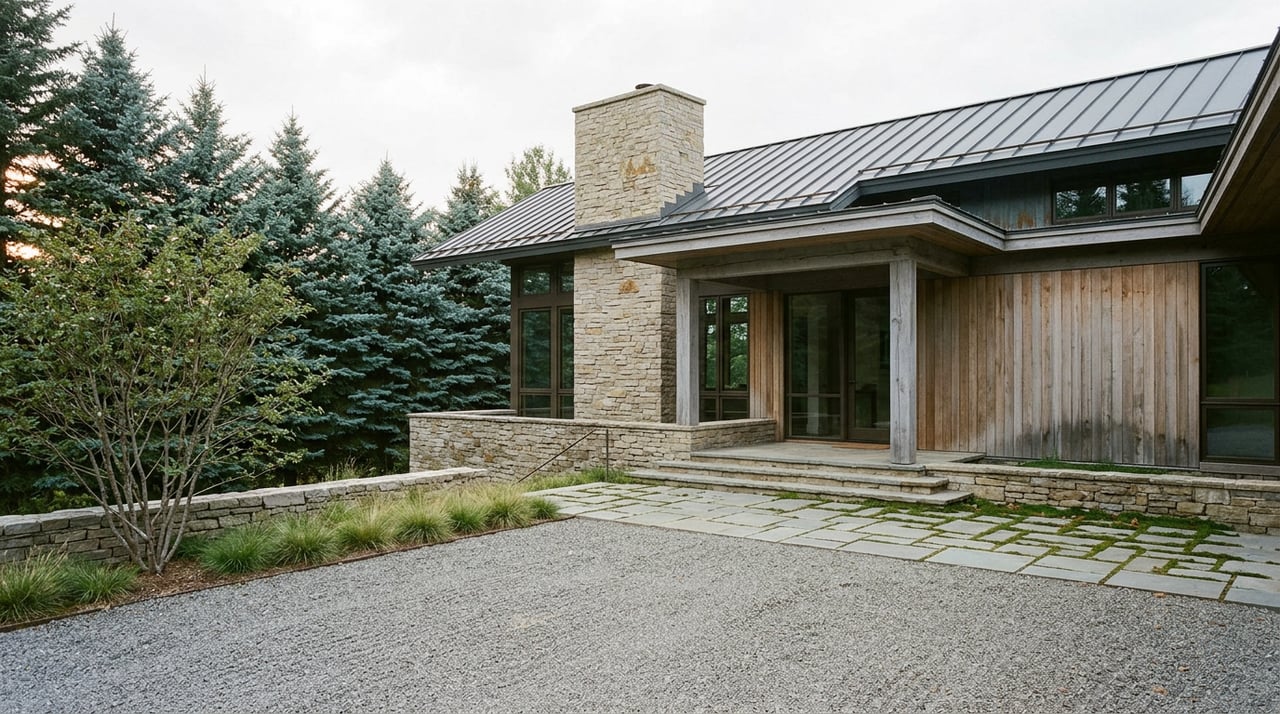
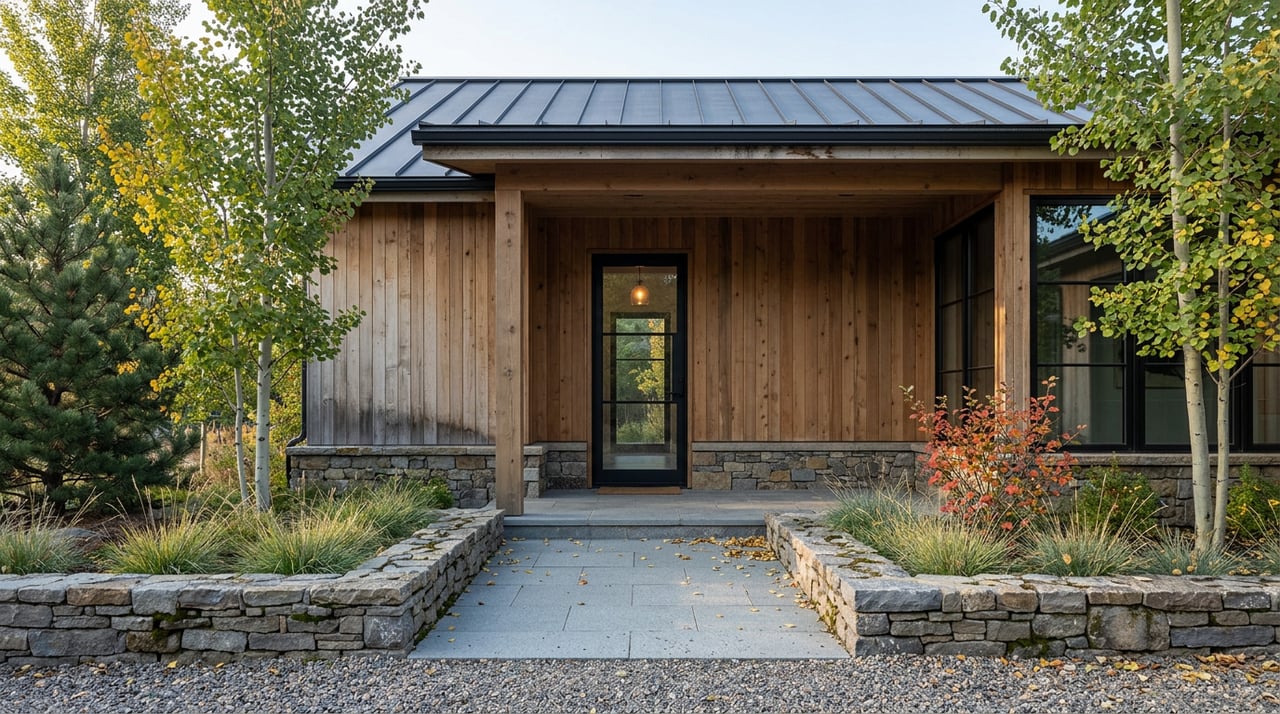
East Aspen offers a wide product mix. You will see single-family homes that range from mid-century ski-and-river houses to newly built alpine-modern estates. Duplexes, townhomes and a handful of condo buildings round out the options, with both full-time residences and high-end second homes represented.
Many existing houses date from the 1960s through the 1990s. In recent years, teardown and rebuild activity has been steady on view and river-adjacent lots. That shift is reshaping inventory, with contemporary architecture and amenity-rich floor plans replacing older cottages and ranch-style homes. While much of the area is platted as standard residential lots, there are also rare consolidated riverfront estates near Stillwater that live more like legacy compounds. These properties are the exception but help define the upper end of the market.
Aspen’s market often concentrates activity at the ultra-luxury end, which can skew averages. One East Aspen example reported by the Aspen Times highlighted a home that “sold for nearly 17 million dollars,” illustrating the mid to upper tier in this location. You can see that reference in the paper’s coverage of notable sales in East Aspen here.
Here is a practical guide to price bands to help you frame the search. Ranges shift with date and property specifics, so calibrate with fresh comparables when you are ready to act.
A note on price per square foot. Local commentary places Aspen’s higher-end single-family trades in the multiple-thousands per square foot, with standout pockets reaching 3,000 to 4,000 plus per square foot. Because a single large sale can move averages, rely on address-level comps, not headlines, when assessing value.
Inventory is naturally limited near Aspen’s core and along the river. Protected open space in the North Star corridor removes large tracts from development, which supports long-term scarcity for nearby properties. At the same time, redevelopment is common as older homes give way to contemporary builds, a pattern that influences both what comes to market and how buyers evaluate land value.
Local rules also shape what and when you can build. Pitkin County and the City of Aspen maintain layered review processes that vary by parcel and jurisdiction. The county has updated wildfire mitigation standards to align with state models, which can affect site design, defensible space and permits. For current code updates and notices, consult Pitkin County’s civic announcements.
Close to town along the river corridor, these pockets appeal if you want quick access to the core with a calm, tree-lined feel. Lots vary in size and topography, with a mix of older houses and newer rebuilds. You will see both full-time residences and second homes.
Set on the foothills with views back toward the valley and town. Streets are quiet, and many homes capture light and outlooks over the river corridor. Expect a blend of vintage homes and new contemporary construction.
Near the base of Smuggler and along the river flats, this area offers direct access to town and trails. Product types are mixed, from single-family homes to duplex and townhome options. It is a practical spot if you want proximity and varied choices.
This is the most nature-facing part of East Aspen, with adjacency to the North Star Nature Preserve and slow-water stretches of the Roaring Fork. Properties here can feel exceptionally private. A small number of consolidated riverfront holdings live like legacy estates and headline the upper end of the market.
Around the redeveloping Aspen Club site you will find a mix of homes and condo or townhome options. The setting keeps you close to paths into town and the river corridor while offering a quieter pocket beside the core.
Exposure varies by slope, vegetation and proximity to forested parcels. Pitkin County has aligned wildfire mitigation codes with state models, which may affect building materials, landscaping and approvals. Review current county guidance and consider a professional defensible-space assessment. You can track wildfire and code updates from Pitkin County.
The Roaring Fork is a lifestyle amenity and a hydrologic system that changes across seasons. High runoff years and mapped floodways raise considerations for low-lying parcels. The North Star fen restoration and water-diversion history show how complex local hydrology can be. Before you buy, check FEMA flood maps and county records for parcel-specific notes. Aspen Journalism provides helpful context on North Star’s habitat and water management.
Aspen statistics often reflect a small number of very large sales. That can mask thinness in lower price bands and skew averages. If you plan to resell in the future, anchor your valuation to neighborhood-level comps and the exact product type you own rather than countywide headlines.
If East Aspen sounds like your fit, let’s talk about how to make the right move at the right address. Schedule a confidential consultation with Jennifer Banner to explore on and off market options tailored to your goals.
Stay up to date on the latest real estate trends.