Basalt vs Aspen Real Estate: Which Market Fits Best?
Choosing between Basalt and Aspen is not just about budget. It is about how you want to live, what kind of home experience you want, and how you see your place in the Roaring Fork Valley over time. If you are weighing both markets, this guide will help you compare pricing, housing options, daily logistics, and lifestyle so you can move forward with more clarity. Let’s dive in.
If price matters to your decision, the gap between Basalt and Aspen is significant. Through March 2026, the median sales price for a single-family home was $1.875 million in Basalt and $12.75 million in Aspen, based on Aspen/Glenwood Springs MLS data. For condos, the median was $1.4 million in Basalt and $4.075 million in Aspen.
That means Aspen is operating at about 6.8 times Basalt for single-family homes and about 2.9 times Basalt for condos. In practical terms, Basalt gives you a lower entry point into the Roaring Fork market. Aspen remains the premium option for buyers who place a high value on a core Aspen address and the scarcity that comes with it.
Inventory also shapes your experience as a buyer or seller. Through March 2026, Basalt had 22 active single-family listings and 55 condo listings, while Aspen had 98 active single-family listings and 67 condo listings. These are not identical markets, so raw listing counts only tell part of the story.
Days on market offer another useful lens. Basalt single-family homes were averaging 128 days on market, compared with 217 days in Aspen. The local reports note that smaller samples can make short-term activity look more extreme, so these numbers are best read as directional rather than absolute.
For you, that likely means Basalt can feel more accessible from a pricing standpoint, while Aspen can involve a longer decision cycle at the top of the market. Both markets require careful positioning, but they behave differently because the buyer pool, price bands, and product types are different.
Basalt has a broader mix of housing environments than many buyers expect. The town includes Historic Downtown and Southside in East Basalt, Willits in West Basalt, and surrounding areas such as Lazy Glen, Holland Hills, Sopris Village, El Jebel, Blue Lake, Missouri Heights, Dakota, and Cerise Ranch.
That mix gives Basalt a different feel from a purely resort-centered market. You will find older core areas, mixed-use settings, and neighborhoods shaped by more recent planning. The town is also pursuing new housing and community-space opportunities tied to Sopris Meadows Parcel 2E through the Willits Housing and Community Space effort.
For buyers, that can translate into more flexibility in home type, setting, and long-term use. If you want a market that supports a wider range of ownership experiences, Basalt stands out.
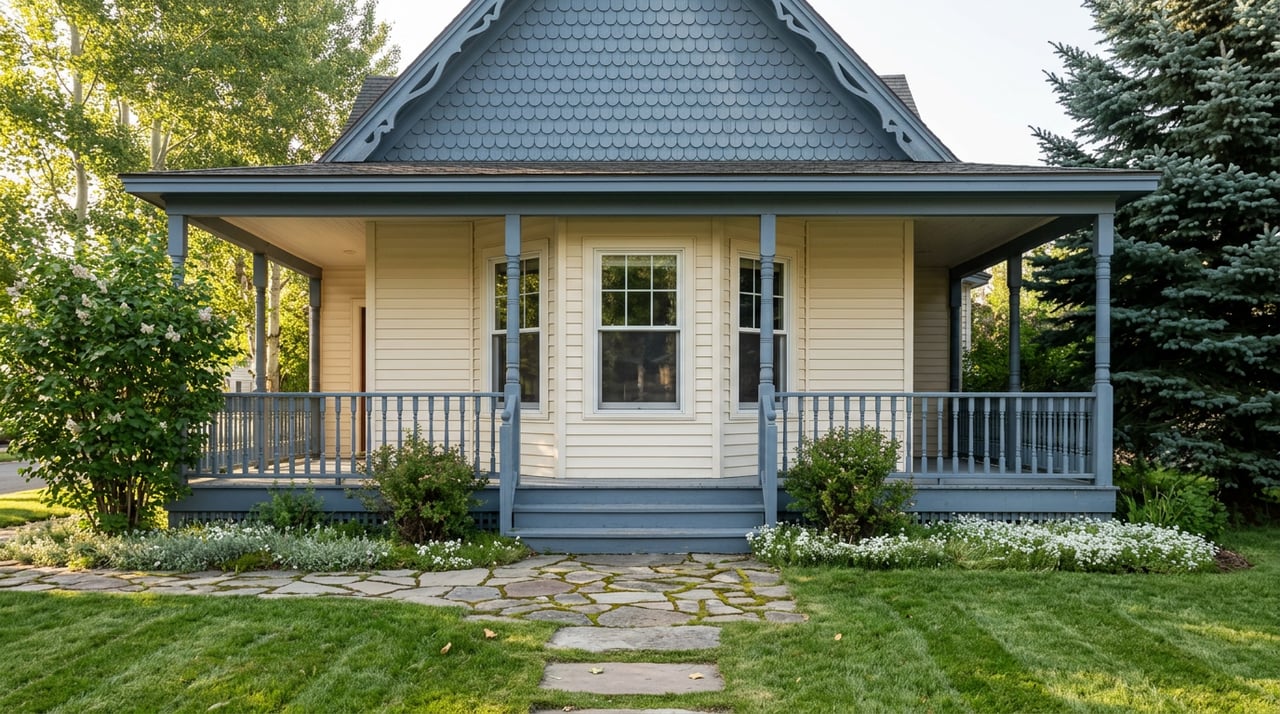
Aspen offers a more tightly defined ownership experience. The city has engaged in historic preservation since the early 1970s and has more than 300 historic resources. Designated properties and homes in historic districts may require review before exterior work, and some interior work can also be subject to approval.
That matters if you are thinking about renovation, expansion, or a highly customized build-out after purchase. Aspen’s downtown core is closely tied to its Victorian-style identity, and preservation plays an active role in how the market evolves. If you value architectural character and a classic Aspen setting, that can be a plus. If you want fewer process constraints, Basalt may feel more straightforward.
How you move through the valley can affect your decision just as much as price. RFTA’s Roaring Fork Valley Local connects Glenwood Springs, Carbondale, El Jebel/Basalt, Snowmass Village, and Aspen. VelociRFTA bus rapid transit also runs between Aspen and Glenwood Springs, creating a regional transit backbone for daily movement.
Basalt benefits from that same system without Aspen-level pricing. Basalt Park & Ride is part of the network, and for many buyers that adds convenience if your routine includes travel up and down the valley. The Spring 2026 schedule notes that buses may depart early after passengers exit, depending on traffic, so timing still matters.
Aspen adds another layer of mobility once you are in town. The city offers free shuttle routes to offices, trailheads, and ski lifts, and parking revenues help support those services. If you want a more car-light lifestyle in a dense resort core, Aspen has an edge.
Basalt’s lifestyle is centered more on rivers, parks, trails, and everyday town living. The town’s parks system includes river-access and boat-launch sites such as Duroux, Fisherman’s, Midland, and Old Pond parks, plus trails and free community events at Basalt River Park. Its local identity is closely tied to the Roaring Fork and Fryingpan Rivers.
That can make Basalt especially appealing if you are looking for a primary residence or a second home that feels active in every season, not just during ski months. The housing mix also supports that year-round feel. For many buyers, Basalt offers a more grounded daily rhythm with strong outdoor access beyond skiing.
Aspen is more ski-core and resort-centric. Its identity is shaped by four major ski mountains, Aspen Mountain rising from downtown, the Silver Queen Gondola, and a walkable core with shops, arts, and restaurants. The city also actively manages transportation and parking to reduce congestion in the core.
If you want immediate proximity to the classic Aspen resort experience, Aspen is difficult to replicate. The appeal is not just the home itself, but the address, access, and longstanding prestige of the market. For many upper-tier buyers, that is the point.
If schools are part of your move, the two areas present different educational profiles. Roaring Fork Schools serves more than 5,600 students across 14 schools in Glenwood Springs, Carbondale, and Basalt. The district offers a PreK-12 continuum and dual language and biliteracy options. Basalt Elementary serves about 580 students and offers English-Spanish dual-language programming, while Basalt Middle has been recognized as a national School to Watch and Basalt High serves the area.
Aspen School District is aligned with the International Baccalaureate framework across its Pre-K-12 continuum. Aspen Elementary and Aspen Middle are IB World Schools, and Aspen High School offers the IB Diploma Programme. The district also operates choice enrollment for some out-of-district grades.
For you, the distinction may be less about which district is better and more about which educational model fits your goals. Basalt can feel more community-continuum oriented, while Aspen has a more clearly defined IB identity.
There is no universal winner between Basalt and Aspen. The right fit depends on what you want your ownership experience to look like day to day and over the long term.
Basalt may be the stronger fit if you want:
Aspen may be the stronger fit if you want:
Basalt and Aspen are part of the same Roaring Fork ecosystem, but they serve different goals. Aspen is the premium, historically constrained, ski-first market. Basalt is the more flexible, value-sensitive, year-round livability market with a broader range of housing contexts.
If you are buying, that difference can shape everything from budget to renovation plans to how often you expect to use the home. If you are selling, it affects pricing strategy, target buyer profile, and how your property should be positioned in the market. In either case, nuanced local guidance matters because these markets are not interchangeable.
If you are weighing a purchase or considering a sale in Aspen, Basalt, or another nearby micro-market, Jennifer Banner offers discreet, data-informed guidance tailored to your goals. Schedule a confidential consultation.
Stay up to date on the latest real estate trends.