Aspen Downtown Core Condos: A Luxury Buyer’s Guide
If you want the most walkable version of Aspen luxury, downtown core condo living is hard to match. You get immediate access to restaurants, retail, art, and ski access, all within a compact, low-maintenance footprint that fits how many second-home owners actually live. If you are weighing convenience, prestige, and long-term value in Aspen, this guide will help you understand what matters most before you buy. Let’s dive in.
Aspen’s downtown core is the city’s pedestrian heart. The Aspen Chamber describes it as a Victorian-style district where you can walk to shops, dining, art, and the Silver Queen Gondola, while the City of Aspen identifies the area as the city’s highest-activity pedestrian zone.
That matters because downtown core living is not just about a mailing address. It is about choosing a lifestyle built around walking, skiing, dining, and stepping out your front door without needing to plan every movement by car.
Aspen is unusually car-light for a luxury resort market. City transportation resources highlight free shuttles, free airport buses, door-to-door Downtowner service, bike share, and practical walking and biking options throughout Aspen and the Roaring Fork Valley.
Downtown parking rules also reinforce that lifestyle. Parking is managed, time-limited, and restricted overnight in many areas, which makes a condo in the core especially attractive if you want daily convenience without depending on a vehicle.
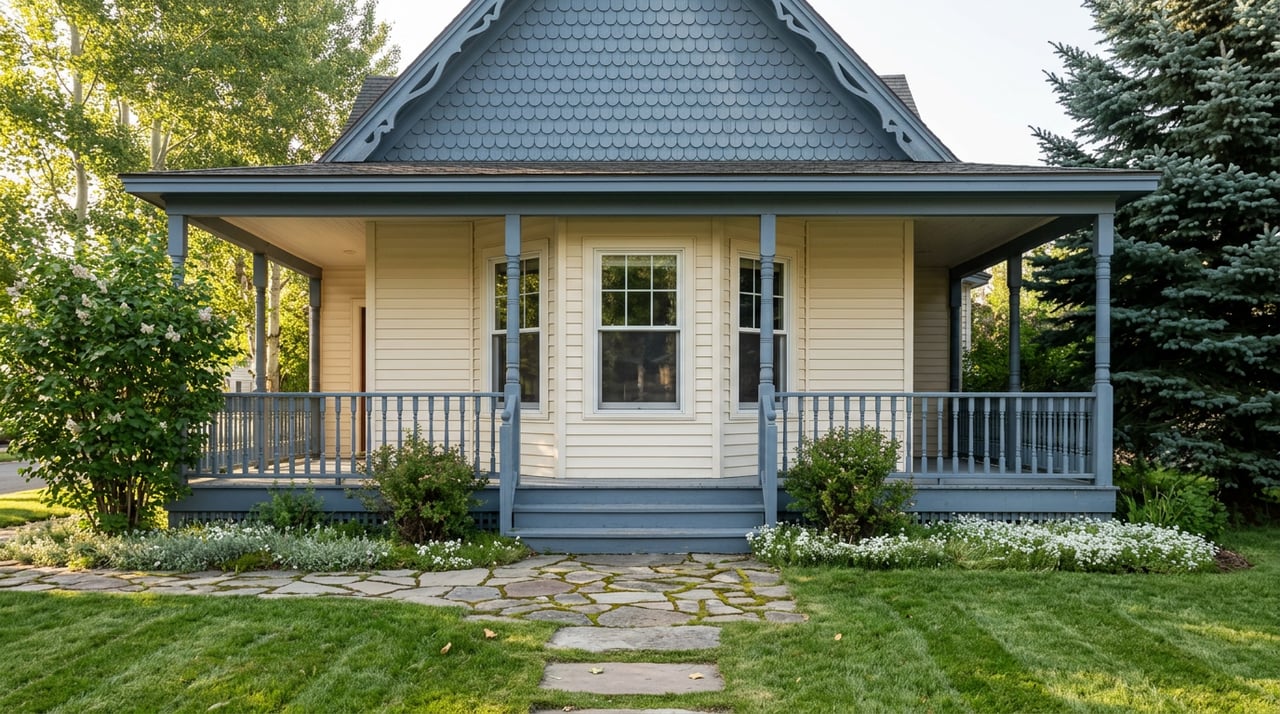
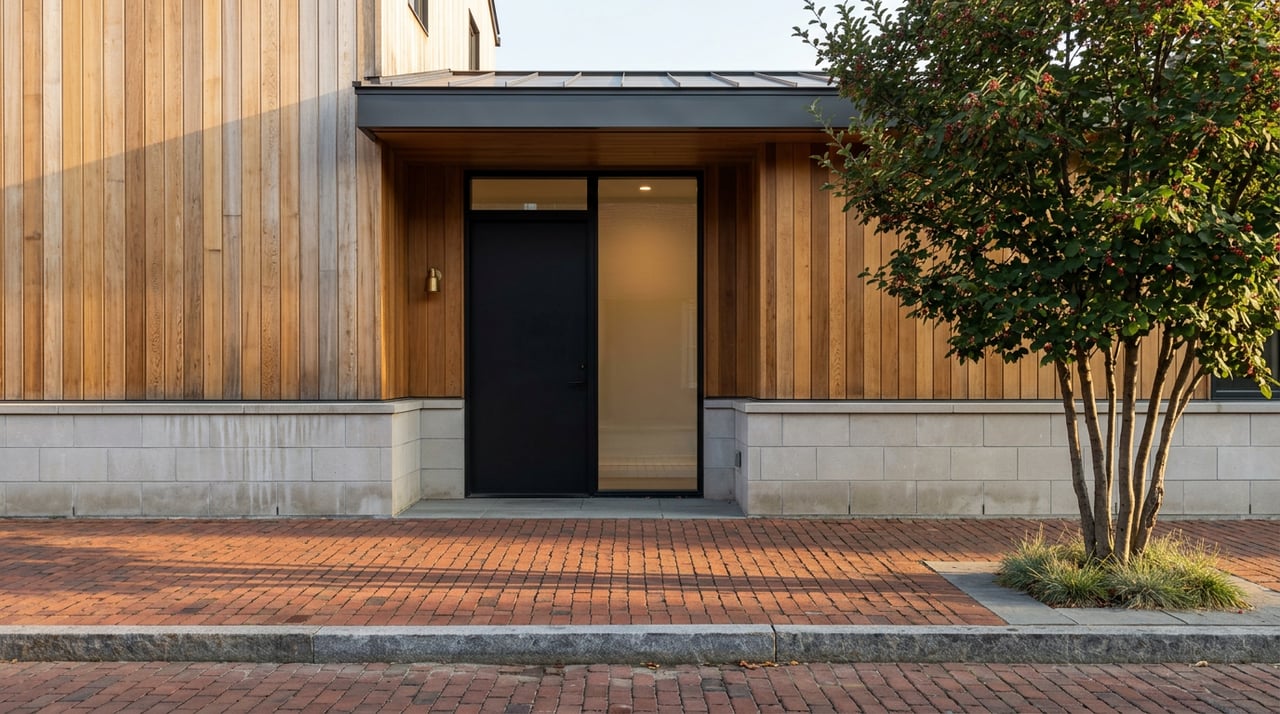
The downtown core is not made up of one condo style. The Commercial Core Historic District includes substantial Victorian-era buildings alongside AspenModern structures, so the buyer experience is more varied than many people expect.
You will find everything from ski-adjacent properties near Aspen Mountain to residences in the center of downtown near shopping, dining, and nightlife. That mix gives buyers a wider range of lifestyle choices, even within a relatively compact area.
Aspen core condo inventory tends to favor smaller layouts. According to Estin, at least 50% of Aspen condos are two-bedroom units, which helps explain why downtown condos often appeal to buyers seeking an efficient second-home footprint rather than a large primary residence.
That does not mean the experience feels small. In Aspen, luxury often comes from location, finish quality, views, services, and ease of ownership rather than sheer square footage.
In downtown Aspen, a few blocks can make a meaningful difference in daily routine. Some well-known examples from local lodging inventory help show how close is close:
If you plan to ski often, entertain spontaneously, or move around Aspen on foot, those block-by-block differences may affect your decision more than you expect.
One of the strongest reasons buyers choose a downtown Aspen condo is simplicity. For many second-home owners, the ideal property is one you can arrive at easily, enjoy fully, and leave with minimal ongoing concern.
That is where the lock-and-leave model becomes especially appealing. In the core, common amenity patterns include underground garage parking, elevator access, fireplaces, ski lockers, pools or hot tubs, concierge or housekeeping services, and shuttle access.
These features are not just nice extras. They directly affect how easy ownership feels in every season, especially if you split your time between Aspen and another home.
A building with secure parking, elevator service, and on-site support may offer a very different ownership experience from one that is charming but more hands-on. In a market like Aspen, convenience often carries real value.
Aspen condo pricing reflects both scarcity and demand. Estin’s H1 2025 report says Aspen condos averaged $4.86 million and $3,635 per square foot, with price per square foot up 11% year over year. Through June 2025, Aspen townhouse and condo median sales price was $3.3 million.
For the downtown core specifically, Estin’s 2024 core-only table showed a median sold price of $3.0 million and a median sold price per square foot of $3,426. Those numbers help frame just how competitive the core can be.
Pricing in the core is not only about luxury demand. It is also shaped by limited supply. Estin notes that H1 2025 inventory was the lowest since 2006 and describes Aspen as constrained by limited supply and strong luxury demand.
That supply pressure is important if you are thinking long term. In a constrained market, subtle differences in location and property quality can hold their value especially well.
In the downtown core, the most important drivers of value include:
These details can affect pricing as much as the address itself. Two condos on the same block can trade very differently depending on orientation, finishes, parking, and building structure.
In Aspen, views are a meaningful part of value. Concept 600 highlights south-facing Aspen Mountain balconies, while Shadow Mountain emphasizes north-facing windows toward downtown Aspen, Red Mountain, and Smuggler Mountain.
Estin also notes that Aspen Mountain views, mountain views, sunsets, river frontage, unit position within the building, and top-floor or corner placement all influence value. If view quality matters to you, it should be evaluated carefully, not treated as a bonus.
Buyers often compare Aspen’s downtown core with Snowmass Village, the West End, or Red Mountain. Each offers a different version of mountain living, and your priorities should guide the choice.
The downtown core usually appeals most if you want walkability, gondola access, and a lower-maintenance ownership model in the center of Aspen.
Snowmass Village is often the clearest alternative for condo buyers. Estin’s H1 2025 report places Snowmass condo averages at $2.9 million and $2,349 per square foot, about 33% below Aspen condo pricing on a per-square-foot basis.
The same report says the Snowmass-to-Aspen discount is roughly 25% to 40% depending on product. Snowmass also tends to offer newer-built inventory, while Aspen’s downtown core is older, denser, and more central.
If you prioritize newer product and relative value, Snowmass may deserve a close look. If you prioritize immediate downtown access, walkability, and a compact Aspen lifestyle, the core often comes out ahead.
Compared with the West End, the core is more condo-centric and more ski-town-oriented. The West End is more residential in character and is dominated by larger single-family homes.
For buyers who want to step into a more urban-style Aspen rhythm, the downtown core is typically a better fit. For buyers who want a quieter residential setting and a different home type, the West End may feel more aligned.
Red Mountain offers a very different value proposition. There, buyers often trade walkability for privacy, larger lots, and panoramic views.
If your priority is centrality and ease, the core wins. If your priority is estate-scale living and separation, Red Mountain may be the stronger match.
In Aspen’s downtown condo market, due diligence goes well beyond the unit itself. HOA structure, building rules, rental eligibility, parking, reserves, and planned capital work all shape your ownership experience.
Because these factors also affect value, they should be reviewed early in the process, not after you fall in love with a property.
Estin notes that Aspen condo value is sensitive to special assessments, HOA dues, included amenities, parking, and furnishing status. Buyers should also review CC&Rs, reserve strength, rental caps, parking rules, insurance, and any planned capital work.
This is especially important in older or mixed-era building stock. A beautifully updated interior can still sit within a building that has meaningful future costs.
If rental flexibility matters to you, focus on the specific building and permit path. In Aspen city limits, the City of Aspen requires a short-term rental permit for residential stays under 30 days.
The main permit types are:
The city also requires HOA compliance documentation. Individual owners in lodge or condo-hotel properties are not eligible for the Lodging-Exempt permit, and permits must show at least one short-term renter occupancy per year for renewal.
If a property is inside Aspen city limits, only the city permit is required. Outside city limits, Pitkin County uses a separate short-term rental permit system.
Downtown Aspen condos are best suited to buyers who want the most walkable, gondola-adjacent, low-maintenance version of Aspen living. The format works especially well if you value convenience, lock-and-leave ownership, and immediate access to the center of town.
The tradeoff is that details matter. Building type, view orientation, parking, HOA structure, and short-term rental eligibility can be just as important as the location itself.
For that reason, the strongest purchases in the core usually come from careful, block-by-block analysis. In a market this nuanced, informed guidance can make the difference between simply buying in Aspen and buying well in Aspen.
If you are considering a luxury condo in Aspen’s downtown core and want discreet, high-level guidance tailored to your goals, Jennifer Banner offers confidential advisory grounded in deep local market knowledge.
Stay up to date on the latest real estate trends.