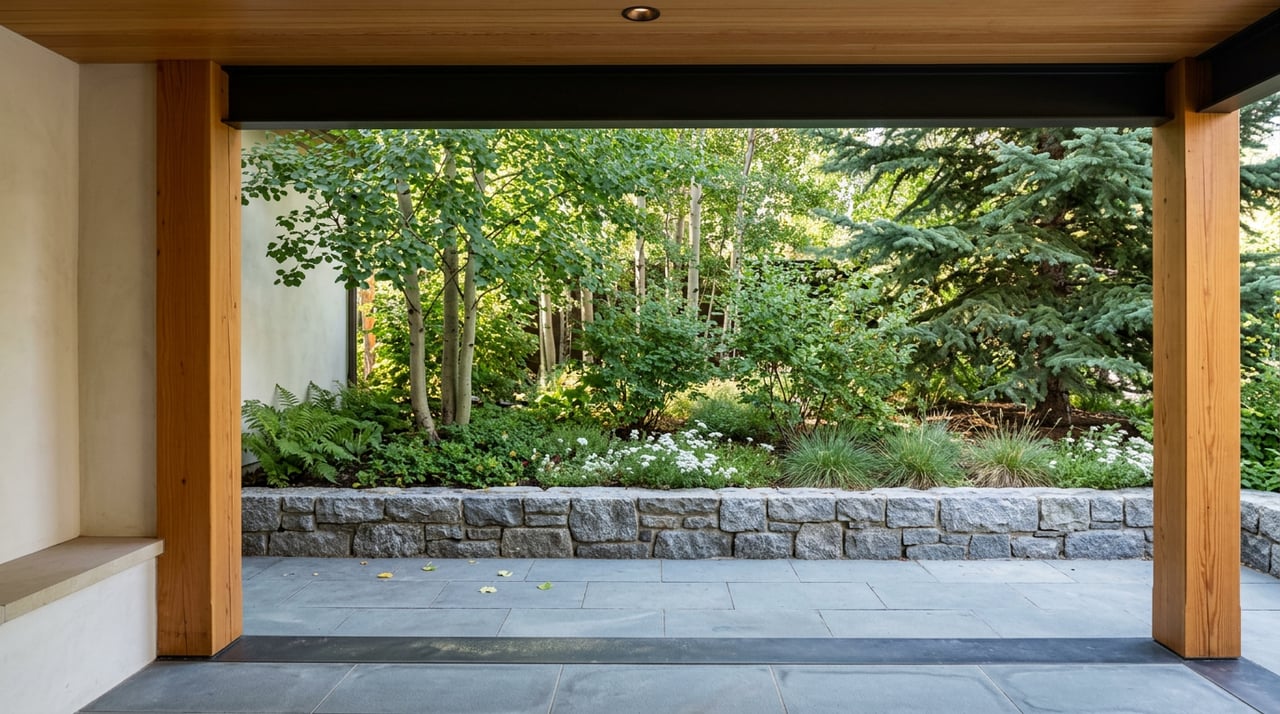
Old Snowmass Ranch Properties: What Luxury Buyers Should Know
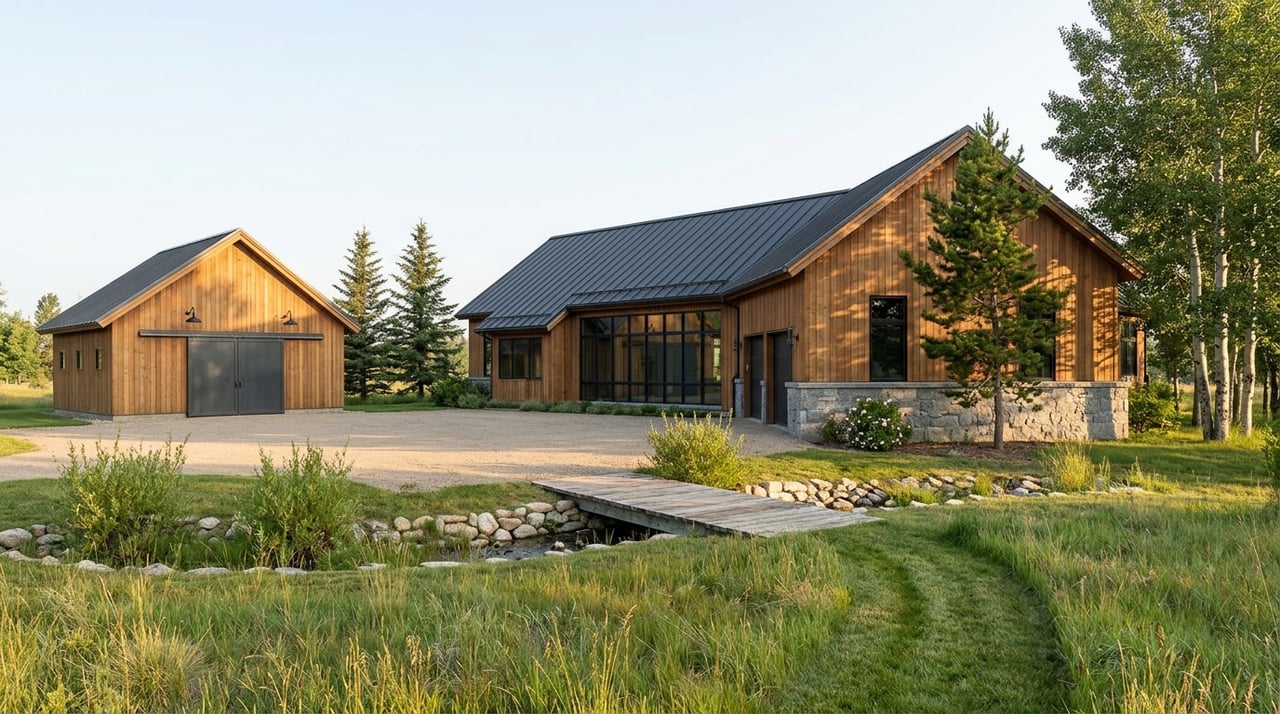
If you are considering an Old Snowmass ranch property, you are not just buying square footage or acreage. You are buying into a landscape where open meadows, working land, creek corridors, and privacy still shape value in a very real way. For luxury buyers, that creates unusual opportunity, but it also makes due diligence more important than usual. Let’s dive in.
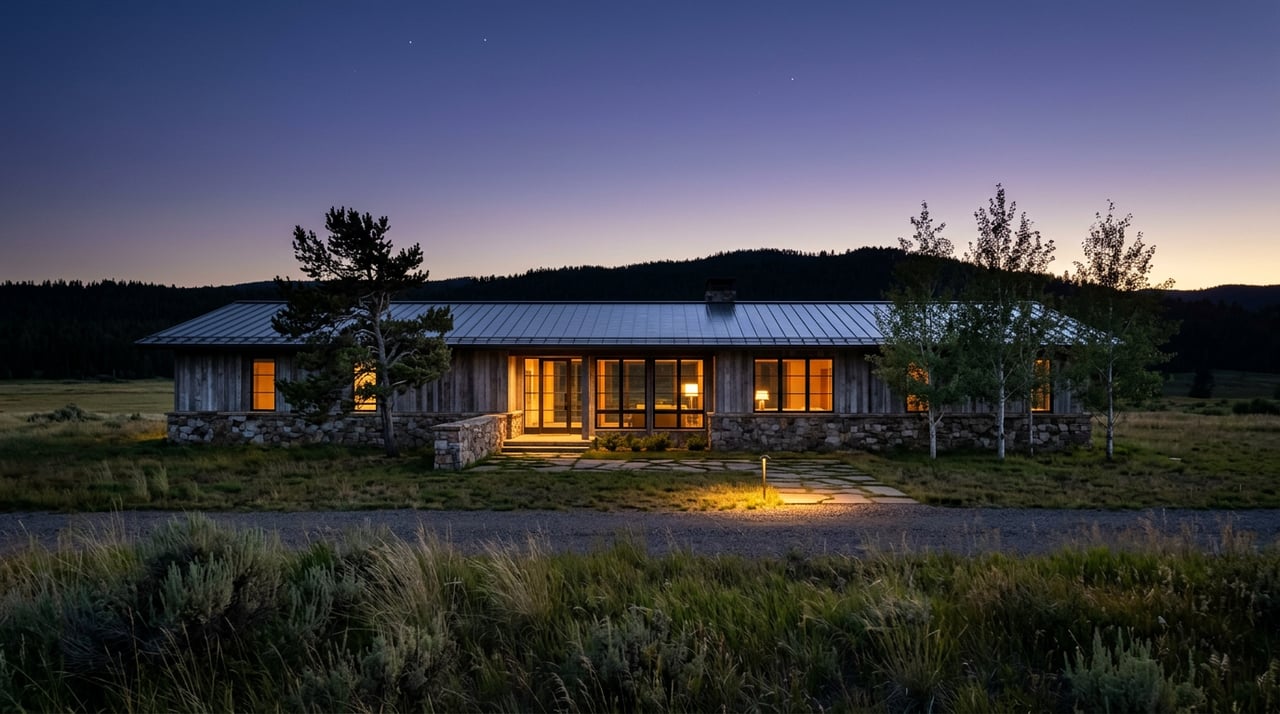
Old Snowmass offers a different kind of luxury than Aspen or Snowmass Village. Here, the appeal often centers on land, water, equestrian utility, trail access, and a stronger sense of separation from denser resort areas. That rural character is not accidental.
Pitkin County’s planning framework emphasizes that the Snowmass and Capitol Creek valleys should remain predominantly rural and agricultural. The county identifies open pastures, meadows, wildlife habitat, watersheds, and riparian corridors as defining values, and it expects buildings to remain subordinate to the landscape.
For you as a buyer, that matters because long-term character is part of the asset. In a market where preservation goals remain active, scarcity tends to come less from future density and more from the quality of the land itself, the usability of the improvements, and the strength of access, water, and privacy.
Old Snowmass is not a one-size-fits-all ranch market. Public listings show a wide range of property types, from homesites under an acre to larger ranch holdings of 39 or 44 acres, plus ranch community offerings with shared amenities.
That range means your search should begin with use, not just price. Some buyers want a polished estate with guest accommodations and a detached barn. Others want a more traditional ranch setup with river frontage, wells, outbuildings, or equestrian infrastructure.
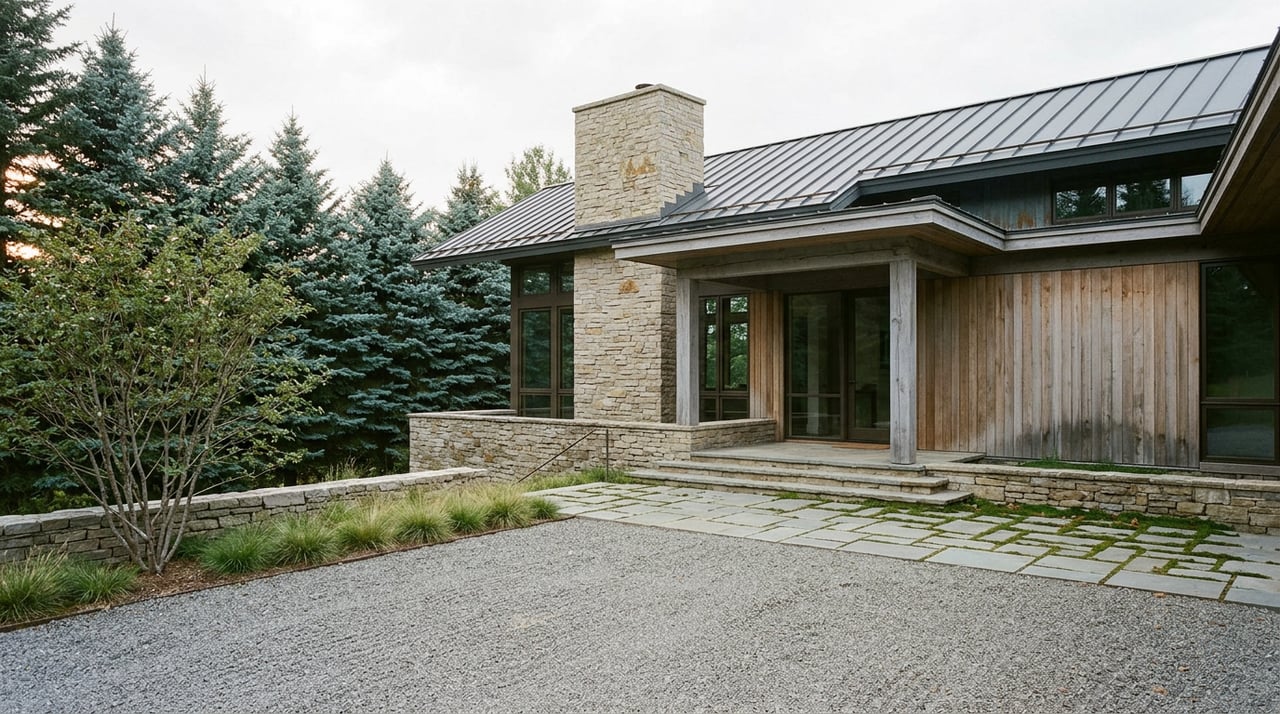
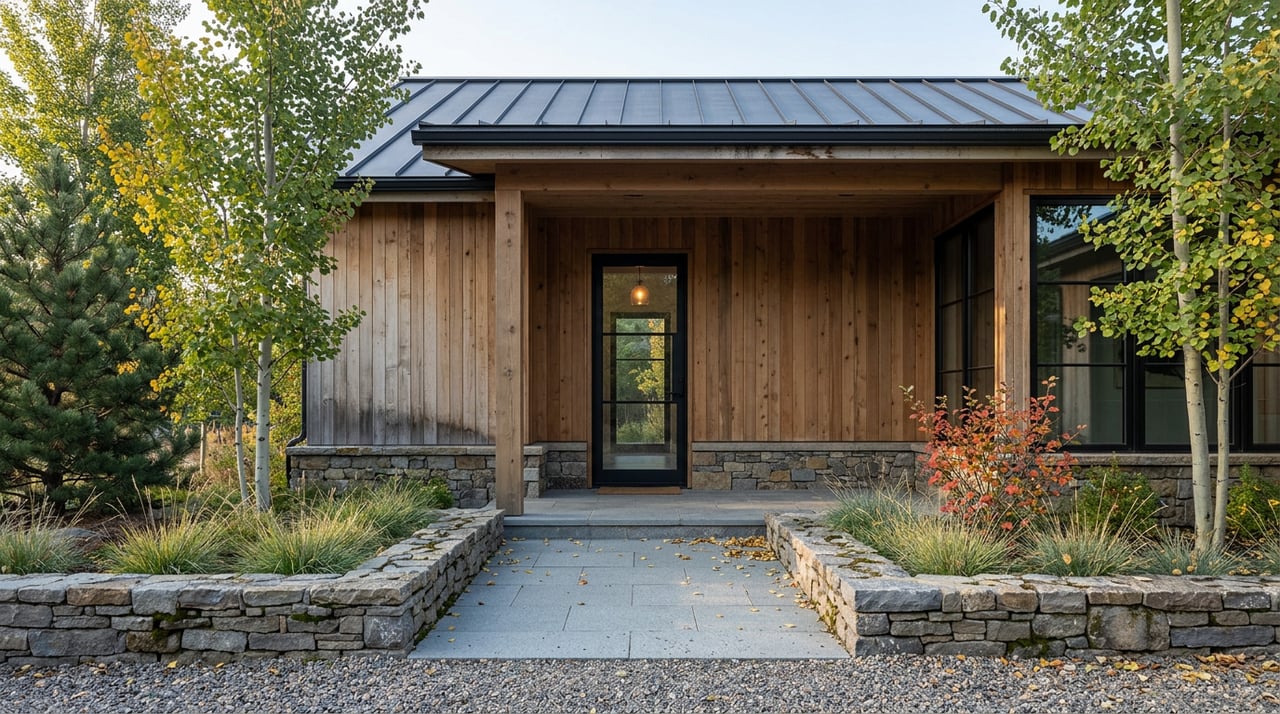
Representative examples in the area include single-family residences above 5,000 square feet on several acres, riverfront estates with caretaker or guest suites, and older ranch properties with barns, horse features, or more utilitarian improvements. In this submarket, the outbuildings can be just as important as the main house.
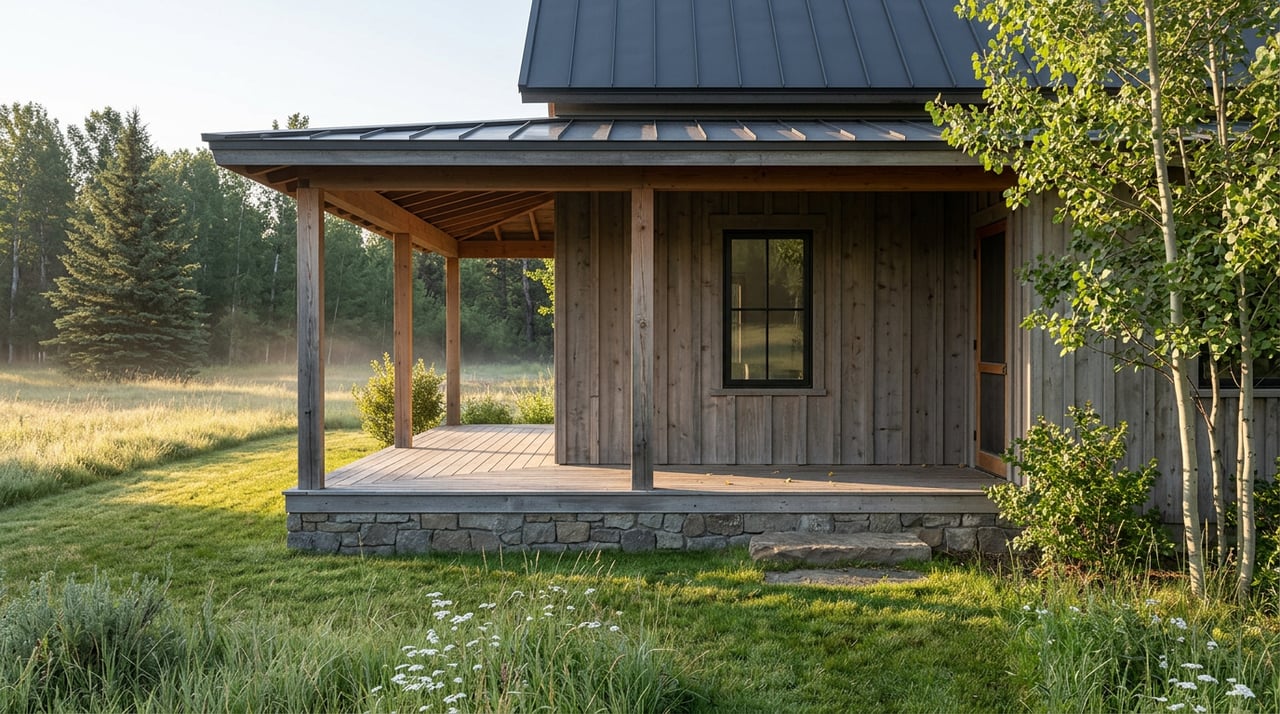
In Old Snowmass, a barn is not always just a barn. Accessory structures may include paddocks, garages, workshops, fencing, stock tanks, guest or caretaker quarters, and other ranch support features that directly affect how you can use the property.
That is one reason luxury buyers often need to evaluate the full improvement package, not just the residence. A beautiful home may be only part of the value story if the property’s appeal depends on horses, storage, agricultural use, or guest flexibility.
One of the most important things to know is that not every Old Snowmass parcel falls under the same standards. Pitkin County’s active planning framework includes both the Upper Snowmass Creek Master Plan and the Valleys of Capitol Creek and Lower Snowmass Creek Master Plan, and those distinctions can materially affect what is allowed.
Current county code sets different residential size ceilings by area. In the Snowmass/Capitol Creek and Upper Snowmass Creek areas, principal single-family dwellings may reach a final maximum floor area of 8,250 square feet. In the Valleys of Capitol Creek and Lower Snowmass Creek overlay, that ceiling is 5,750 square feet.
For buyers comparing legacy homes, remodel candidates, or vacant land, this is a major point. You should confirm the exact caucus and overlay district before assuming what can be built, expanded, or reconfigured.
The county’s planning language continues to support a rural and agricultural pattern. Agriculture in the area includes livestock grazing, equestrian activity, irrigated hay production, and native-grass farming, while residential development is expected to remain moderate in size and compatible with lot scale.
County code also indicates that agricultural building floor area can be unlimited in some development options, while residential limits remain explicit and area-specific. That distinction can create meaningful differences between what seems possible on paper and what is actually permitted for your intended use.
In Old Snowmass, water is often central to the appeal. Some public listings advertise Snowmass Creek frontage, Roaring Fork River frontage, ponds, or springs. In a luxury ranch setting, that kind of natural feature can elevate both experience and desirability.
Still, physical water and legal water rights are not the same thing. Pitkin County explicitly warns buyers not to assume that adjacent water creates a usable right to that water.
If a property’s value depends in part on irrigation, livestock operations, ponds, or broader land use plans, you should verify water rights separately and early. The county recommends consulting a water attorney or the Colorado Division of Water Resources when those questions are material.
Waterfront ranch living also comes with management responsibilities. County planning materials encourage livestock fencing, low-water landscaping, and efficient irrigation practices to help protect riparian areas and instream flows.
For luxury buyers, this is part of the ownership profile. The most attractive parcels are often the ones that balance natural beauty with a clear, workable stewardship plan.
Access in Old Snowmass can look straightforward at first glance, but luxury buyers should dig deeper. A parcel may have recorded legal access and year-round road association access, yet still require verification of homesite placement, utilities, or service logistics.
You should also confirm who maintains the roads, how winter snow removal is handled, and whether a road association or ranch community sets ongoing obligations. In shared ranch communities, association services may include road maintenance, snow removal, water, and grounds maintenance.
These details matter because convenience and privacy often depend on infrastructure that is less visible during a showing. A ranch property that feels effortless in summer may operate very differently during winter conditions.
Old Snowmass appeals to buyers who want direct access to the outdoors. Pitkin County identifies the Snowmass Creek Trailhead as one of the most popular access points to the Maroon Bells-Snowmass Wilderness, and the Forest Service notes that the Snowmass Creek Trail climbs about 6 miles to Snowmass Lake.
That access is a major lifestyle advantage, but it also brings management considerations. Peak summer parking demand at the trailhead often reaches 60 to 80 vehicles or more, and overnight permits are required in designated wilderness zones.
Nearby recreation further broadens the appeal. The Basalt-Old Snowmass Trail and the Rio Grande Trail are open year-round, while some nearby trails close seasonally for wildlife protection or muddy conditions.
For some buyers, being near a trail portal is a major plus. For others, it may raise questions about traffic, seasonal activity, or how public recreation interacts with private land.
That is why neighborhood-level context matters in Old Snowmass. The right property is often the one that gives you the balance you want between seclusion, access, and year-round usability.
Compared with Woody Creek, Old Snowmass is generally less defined by the Rio Grande Trail corridor and more by creek frontage, private ranch communities, and direct wilderness access. Compared with the Emma and Basalt corridor, it often feels more private and more distinctly ranch-oriented.
There is also an important difference within the broader Snowmass valley itself. The lower Old Snowmass corridor is usually more accessible, while upper Snowmass Creek tends to feel more wilderness-bound.
For luxury buyers, those distinctions shape daily living as much as property style does. The right fit may depend on whether you prioritize ease of access, stronger separation, equestrian functionality, or proximity to trail systems and preserved open land.
Before you move forward on an Old Snowmass ranch property, focus on the issues that can most affect long-term use and value:
In a market like Old Snowmass, disciplined diligence is not just protective. It is often what helps you recognize which properties are truly exceptional.
The best Old Snowmass ranch properties tend to combine several hard-to-replicate traits at once: usable land, clear access, meaningful privacy, strong improvements, and a setting that aligns with Pitkin County’s long-term preservation goals. That combination is rare.
If you are evaluating the market at a high level, it helps to look beyond finishes and views alone. In this corridor, luxury value is often rooted in the relationship between the home, the land, the water, and the legal framework that governs them.
With thoughtful guidance, Old Snowmass can offer a compelling blend of lifestyle, legacy, and long-term scarcity. If you are considering a ranch, estate, or land opportunity in this part of the Roaring Fork Valley, a measured property-specific review can make all the difference. To discuss opportunities discreetly, schedule a confidential consultation with Jennifer Banner.
Stay up to date on the latest real estate trends.