Listing A Woody Creek Ranch: How To Prepare For Market

If you are thinking about selling a ranch in Woody Creek, preparation can shape the outcome as much as pricing. This is not a market where you simply photograph the house, put a sign in the drive, and expect quick activity. Buyers in Woody Creek often look closely at land function, water, access, and use rights, so the more complete your property story is before launch, the stronger your position will be. Let’s dive in.
Woody Creek operates differently from a typical luxury home market. Pitkin County planning materials describe the area as a rural ranch submarket shaped by open space, agricultural land, wildlife habitat, and a long-standing preference for slow growth. That local context matters because buyers are not only evaluating the residence. They are also evaluating how the land works and what can be done with it.
Recent market data also supports a more deliberate approach. In May 2026, Pitkin County homes sold for an average of 5.84% below asking, with a 94% sale-to-list ratio and a 136-day median days on market. In Woody Creek, the reported median listing price was $3.45 million, with 20 homes for sale and a 177-day median days on market.
That slower pace means readiness matters. A ranch that comes to market with unanswered questions can sit. A ranch that is thoughtfully documented, well presented, and priced around its specific strengths has a better chance of attracting serious interest.
Before marketing begins, assemble a complete property file. For a Woody Creek ranch, this can be just as important as staging or photography because buyers and their advisors will want facts early. If you can provide clear records upfront, you reduce friction and strengthen confidence.
Start with the documents that explain land use, water, and systems. In this area, a strong listing package often includes:
This material helps buyers understand what they are purchasing beyond the improvements. It also helps your broker tell a more accurate story from the first showing through due diligence.
Colorado water law follows the prior appropriation system, and water rights are tied to court-decreed priority and administration through water courts. The Woody Creek Master Plan specifically notes that ranch and farm water rights must be proven adequate and that domestic wells must be properly adjudicated. For many ranch buyers, this is not a side issue. It is central to value and use.
If your property includes irrigation, grazing support, or other agricultural use, gather as much supporting documentation as possible before listing. Buyers will want to know how water is delivered, what rights are in place, and how those rights support the land’s current function.
Pitkin County states that every new well diverting groundwater must have a state permit. The county also notes that private well water quality is the owner's responsibility and that the county does not test residents’ well water. If your ranch relies on a private well, having permit records and maintenance history organized can make your listing feel more complete and transparent.
On the wastewater side, Pitkin County says an OWTS use permit, after a passing inspection, is required prior to sales or large-scale remodels. Because on-site wastewater systems are subject to environmental health review, and larger systems may require state approval, it is wise to verify your records early rather than scramble later.
If your ranch has redevelopment potential, gather paperwork tied to development rights before going live. Pitkin County’s land-use framework includes the Growth Management Quota System and transferable development rights, with TDRs able to move from a sending site to a receiver site. That means unused rights, prior approvals, or extinguished rights can all affect how buyers view the property.
Even if a future buyer never changes the property, they still want clarity. A clean file that addresses rights and approvals can help prevent confusion, avoid inflated assumptions, and support a more credible asking price.
In Woody Creek, buyers often care about the land as much as the home. The local master plan describes traditional ranching and farming as low-impact land uses that preserve rural character, and it notes that small holdings for cattle and horses are customary and appropriate. That tells you something important about buyer expectations.
Your marketing should show how the property functions, not just how it looks on a sunny day. A beautiful kitchen matters, but so do irrigated fields, pasture layout, animal areas, water delivery, maintained improvements, and access across the acreage. Ranch buyers want to understand the operational side of the asset.
When preparing for market, identify what is actively usable and what is constrained. Pitkin County development standards require review of streams, wetlands, floodplain hazards, wildfire hazards, wildlife habitat, irrigated lands, scenic-view protection, and other constrained areas. A surveyor or land planner can help separate true buildable or usable areas from areas that should remain undisturbed.
This is valuable for marketing because it keeps your presentation factual and clear. Instead of vague claims about acreage, you can present a more precise picture of how the land supports ranch, equestrian, or recreational use.
Buyers will usually want to know:
This kind of detail supports stronger buyer conversations. It also helps position the property as a complete stewardship opportunity rather than a house sitting on scenic land.
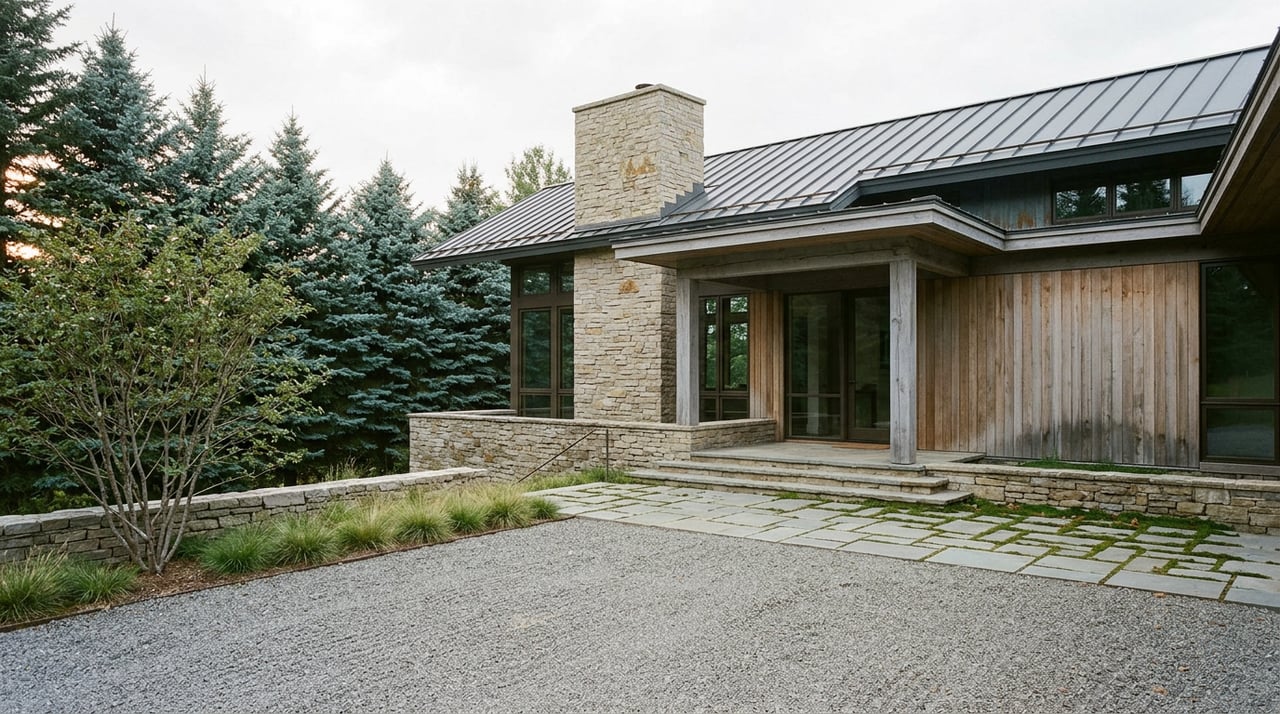
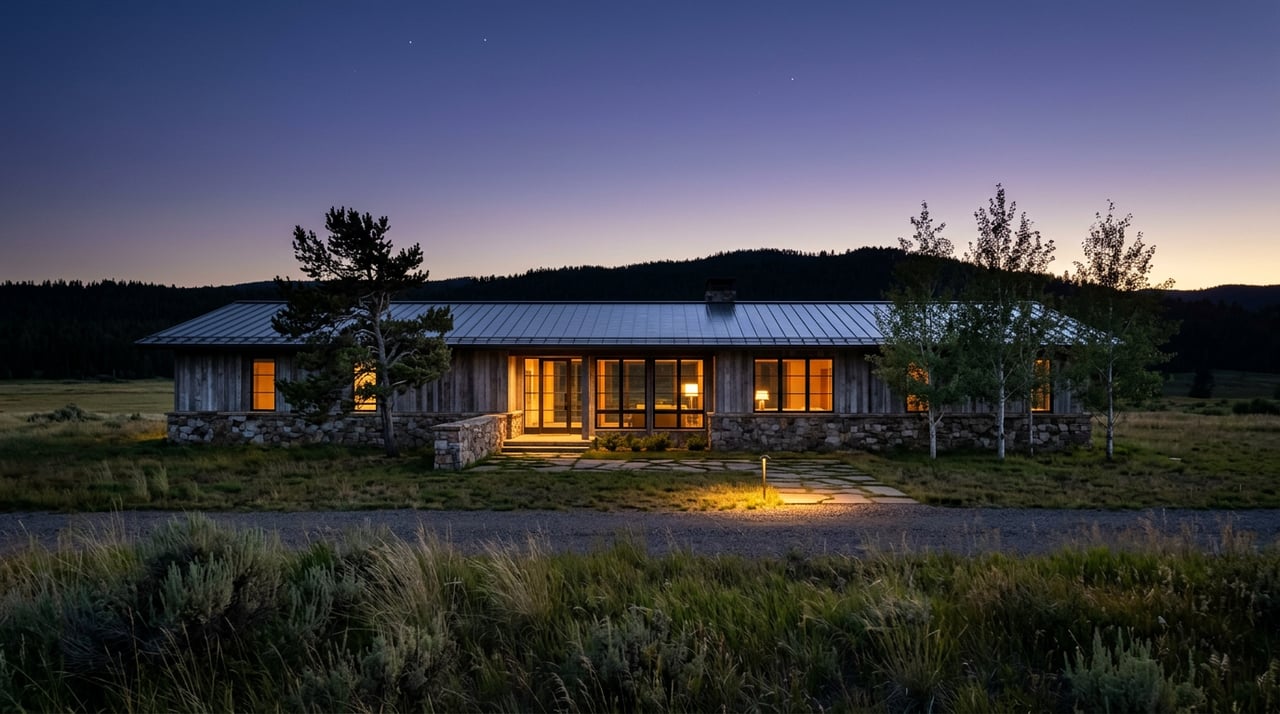
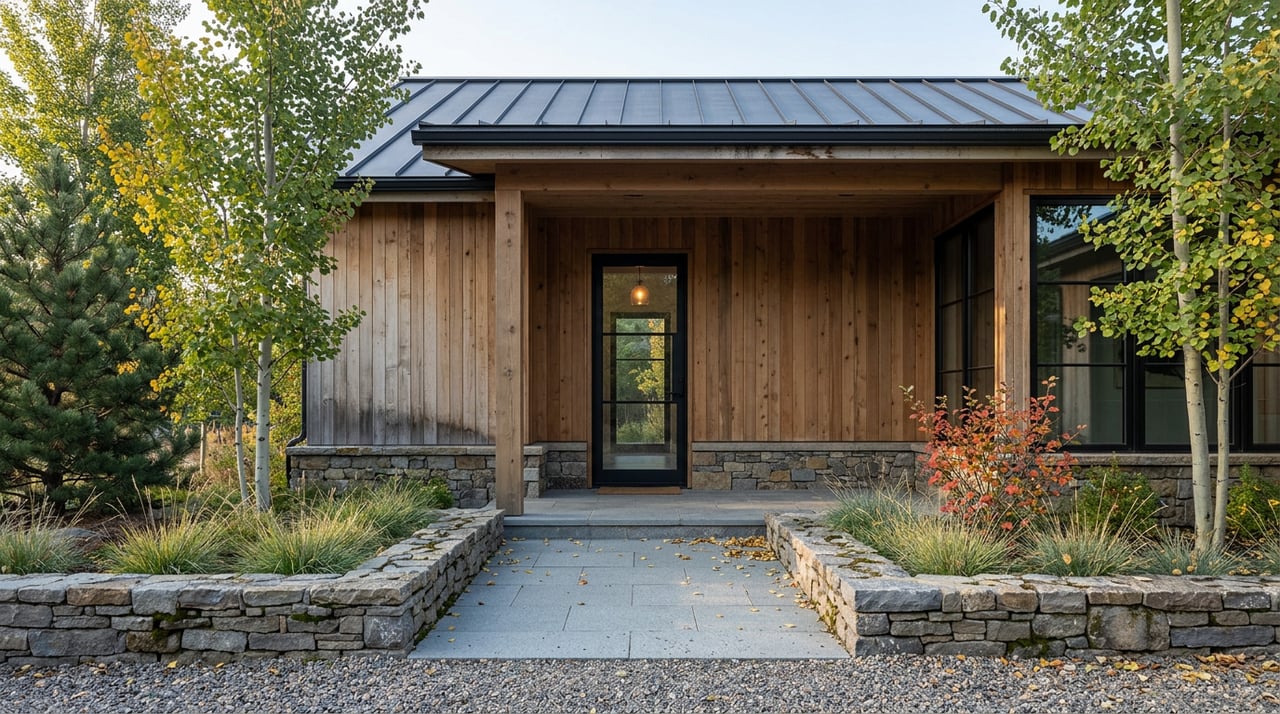
Exterior presentation carries unusual weight with a ranch listing. In Woody Creek, the drive, gates, fencing, roads, vegetation, and landscape condition all shape a buyer’s first impression. They also signal how well the property has been cared for over time.
Pitkin County development standards require defensible-space maintenance, county-standard access roads and driveways, and fire-aware materials and details in wildfire hazard areas. The county also notes that an access permit is required for new or changed access, and a fence permit is required when fences do not meet wildlife-friendly criteria.
Before photography or showings, make sure the route into the property feels orderly and dependable. That may mean grading the drive, repairing gates, trimming brush, improving signage, and confirming that access documentation is in order. Buyers notice these details quickly.
A clean access story does more than improve curb appeal. It helps buyers understand how the ranch works in day-to-day use, especially when the property includes multiple pastures, outbuildings, or longer internal drives.
Simple exterior work can make a major difference. Prioritize:
These steps support both presentation and due diligence. They also align with local expectations around wildfire awareness, access, and land stewardship.
In a small submarket like Woody Creek, broad averages can only tell you so much. Aspen Board of REALTORS' February 2026 Woody Creek report showed very limited year-to-date activity and cautioned that small samples can make month-to-month shifts look extreme. That is a reminder that ranch pricing should be highly specific to the parcel.
Land quality, water reliability, access, privacy, view protection, equestrian infrastructure, and usable acreage can all influence value in ways that a standard residential comp set may miss. A pricing strategy should reflect the actual utility and documentation of the property, not just a broad county median.
This is where expert local judgment matters. A well-prepared ranch can command stronger attention when the pricing story is tied to facts buyers can verify.
Many sellers ask whether they should wait for spring. National data from Realtor.com identified April 12 through 18 as the most favorable week to sell in 2026 based on historical patterns for price, views, and market pace. But Woody Creek does not always behave like a national average.
With local days on market running longer, the better question is whether your ranch is fully ready. If the rights packet is incomplete, repairs are unfinished, or exterior presentation is not where it should be, waiting can be smarter than launching early.
In this market, readiness often matters more than the calendar. A complete and polished debut usually puts you in a stronger position than a rushed listing date.
A legacy ranch sale often needs broader support than a typical home sale. Depending on the property, useful specialists may include title and escrow professionals, water-rights counsel, a surveyor, a septic inspector, a wildfire-mitigation consultant, and an equestrian or agricultural specialist. In Pitkin County, that interdisciplinary approach is practical because of the local rules around wells, wastewater systems, development standards, and land-use rights.
For high-value properties, this team structure can create a smoother process from pre-listing through closing. It also helps ensure that marketing claims, disclosures, and buyer materials are grounded in the property’s actual conditions and approvals.
The strongest Woody Creek ranch listings are not marketed as generic luxury homes. They are presented as complete stewardship stories that explain the land, water, improvements, access, use rights, and lifestyle the property supports.
If you are preparing to sell a Woody Creek ranch, thoughtful planning can protect value and sharpen your market position. For discreet, high-touch guidance on pricing, preparation, and presentation, schedule a confidential consultation with Jennifer Banner.
Stay up to date on the latest real estate trends.