Inside West Aspen’s Club Corridor: Golf, Ski And Lifestyle
If you are looking at Aspen’s west side, you are not just choosing a home. You are choosing a daily rhythm shaped by historic streets, golf access, private club amenities, and quick routes to the mountains. For many buyers, that blend is exactly what makes West Aspen stand out. Here’s a closer look at why the Club Corridor and the West End continue to hold such strong appeal.
West Aspen is best understood as a lifestyle corridor rather than a single neighborhood feature. On this side of town, the West End’s preserved residential character connects with the Highway 82 and Stage Road stretch that anchors Aspen Golf Club and Maroon Creek Club.
That matters because your experience here is layered. You can have a historic home setting, access to golf and club life, and practical connections to Aspen’s four-mountain ski system, all within the same west-side geography.
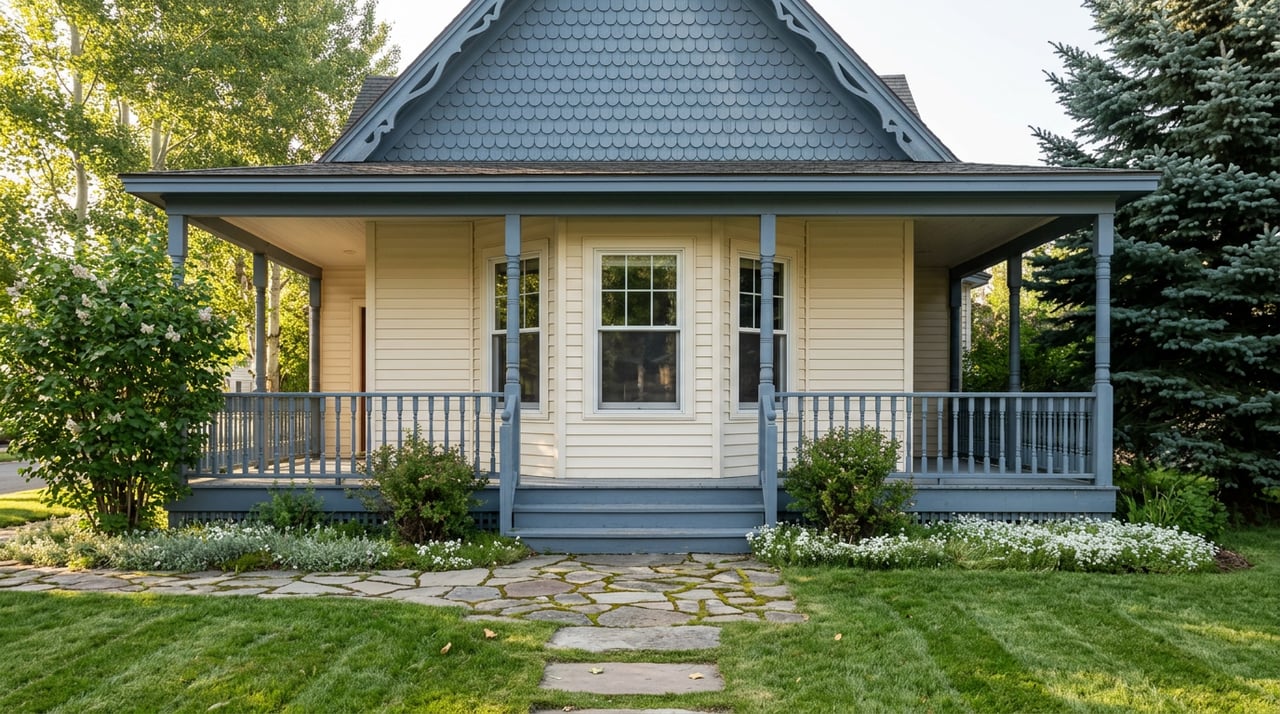
The West End is one of Aspen’s most established residential districts. According to the Aspen Historical Society, it is a quiet, tree-lined area bordered by Aspen Meadows, the Aspen Institute, and the Wheeler/Stallard Museum campuses, with a mix of Victorian and midcentury modern architecture.
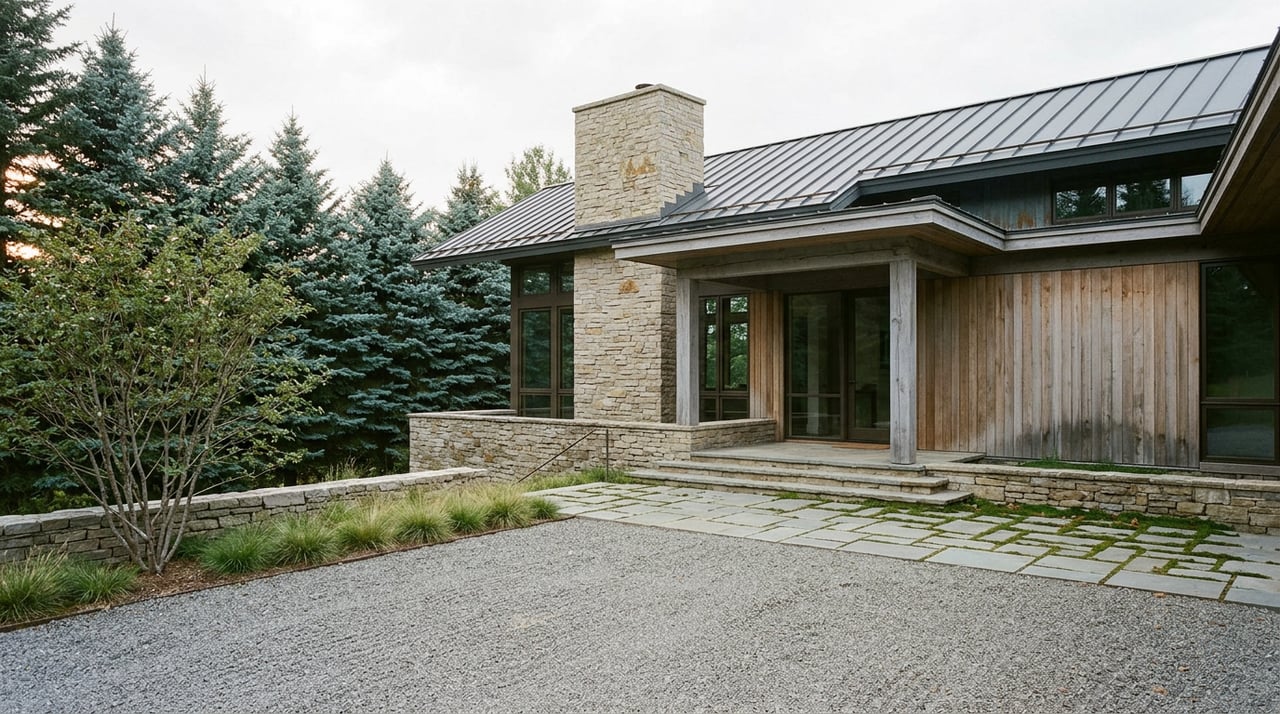
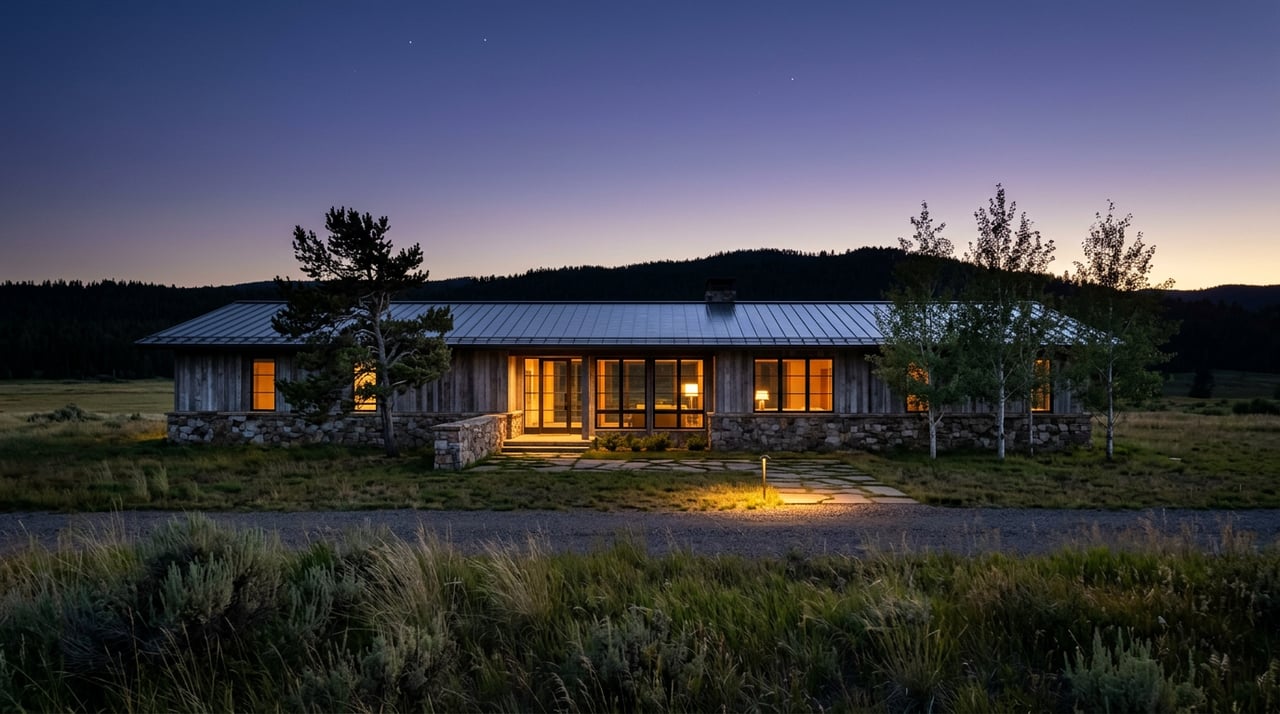
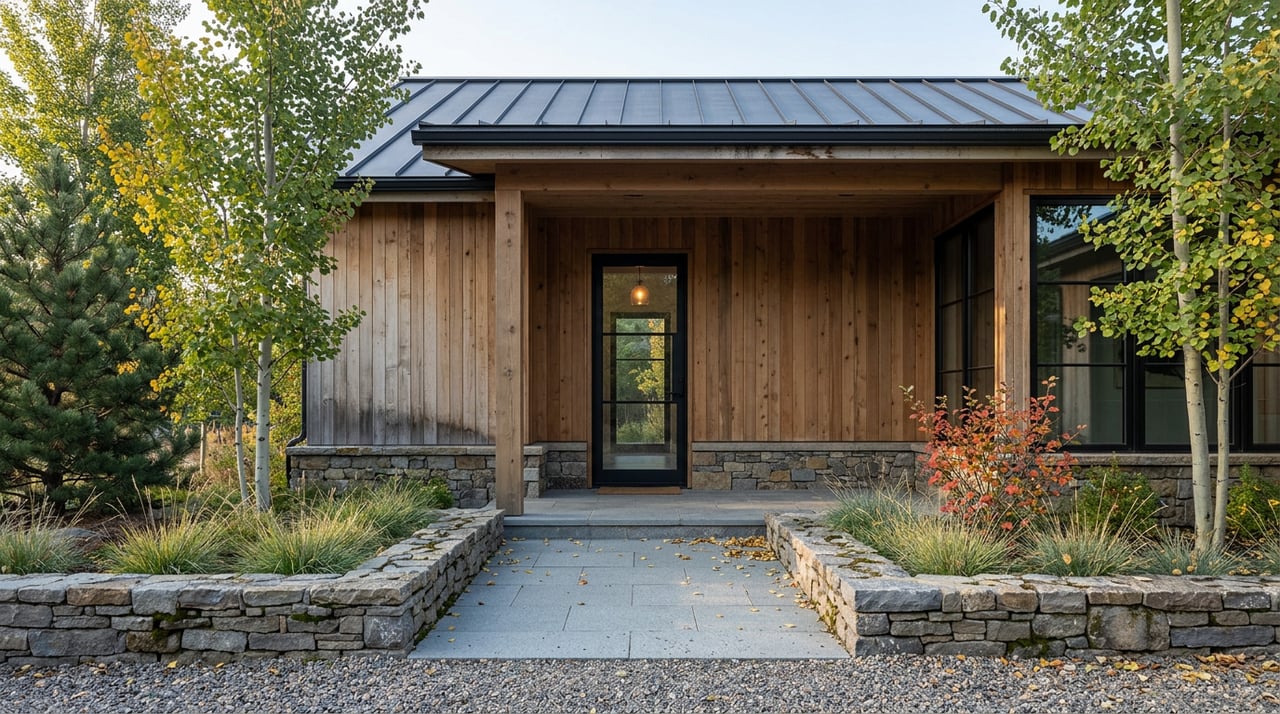
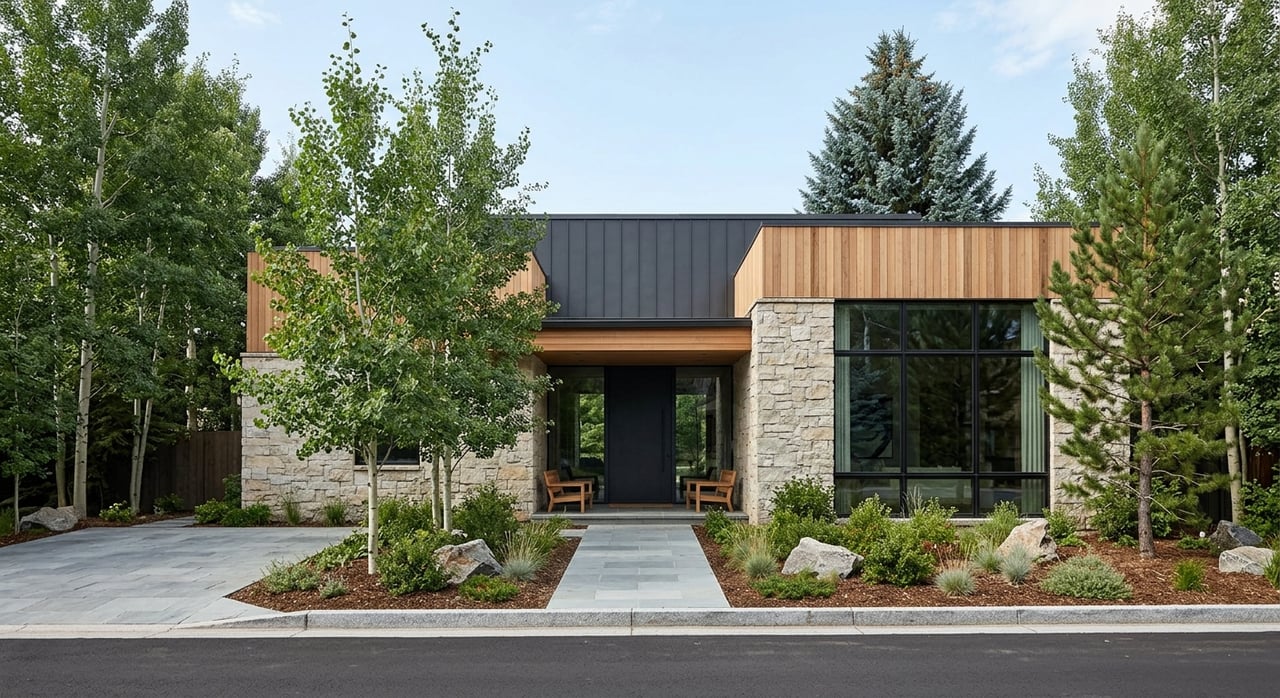
That architectural variety is a big part of the draw. You are not looking at a uniform subdivision. Instead, you will find older homes, renovated historic properties, post-war chalets, and later custom residences that reflect different eras of Aspen’s growth.
The city’s historic design guidance adds another layer. On the west side, you still see historic irrigation ditches, some chalets oriented toward Aspen Mountain, and later subdivisions with curving streets and irregular lots.
For buyers, that means the setting often feels more textured and established than a newer neighborhood. It also means homes can differ significantly from one block to the next, which makes local, property-level guidance especially important.
One of the defining features of the West End is Aspen’s long-running historic-preservation program. The city has had preservation rules in place since the early 1970s, and most exterior work in historic districts requires city design review.
This is an important part of the value proposition, but it is also a practical consideration. If you buy in the West End, you may be purchasing character, continuity, and a strong sense of place, but improvements can be slower and more deliberate than in a newer area.
That does not mean change is impossible. It means design decisions often need to work within a review framework intended to preserve the district’s architectural character.
For many buyers, Aspen Golf Club is the public recreation centerpiece of the corridor. The city describes it as an over 7,100-yard championship course at 39551 Highway 82, with a PGA award-winning pro shop, lessons, a driving range, practice greens, cart rental, locker facilities, and an indoor Full Swing simulator during winter.
This is not a minor neighborhood perk. It is a major west-side amenity that supports regular use across seasons, not just occasional summer play.
The golf club campus is also part of a city facilities master plan focused on buildings, operations, programming, and sustainability. The city notes that the planning effort is not about changing the course itself.
For residents, one of the most relevant details is access. A 2026 city release states that Aspen Golf Club continues to prioritize primary residents for passes, with limited sales windows and fewer total passes intended to improve tee-time access.
That resident-prioritized structure can matter a great deal if you plan to spend meaningful time in Aspen. It makes the course more than just attractive open space nearby. It becomes a practical part of how you may actually live.
Just west of town, Maroon Creek Club offers the private-club counterpart to the municipal golf course. The club says it is one mile west of Aspen and includes golf, tennis, pickleball, swimming, fitness, and dining.
Its published amenities include a Tom Fazio-designed golf course, eight outdoor HarTru courts, four pickleball courts, four indoor HarTru courts, and a renovated pool and pool bar. For buyers who want a broad private-club experience, that menu of amenities is a major part of the west-side story.
The club’s location also helps explain why people often talk about this area as one connected lifestyle corridor. The clubhouse sits just off Stage Road after crossing Highway 82, tying it closely to the same west-side movement pattern that links homes, golf, and ski access.
West Aspen’s value is not limited to summer. Aspen Snowmass centers the area around four mountains: Aspen Mountain, Aspen Highlands, Buttermilk, and Snowmass, with more than 5,700 acres of skiable terrain across the resort.
For many west-side owners, the question is less about naming one “best” mountain and more about everyday practicality. Aspen Mountain is the town mountain, connected to downtown by the Silver Queen Gondola, while Aspen Highlands is a key west-side access point and a summer gateway toward the Maroon Bells area.
Buttermilk adds another nearby option on the west side of town. Aspen Snowmass describes it as a family-friendly mountain and the home of X Games Aspen.
What matters most is that west-side geography supports quick movement between home, club amenities, and multiple mountain options. In winter, that can translate into easier ski days. In summer, the same area supports hiking, biking, and road-bike access tied to the Highlands and Maroon Bells staging area.
The west-side lifestyle works because it does not go dormant when ski season ends. Aspen Snowmass notes that the Maroon Bells shuttle and basecamp operate out of Aspen Highlands during summer.
That makes the Highlands area a practical starting point for hiking and biking, and for road-bike access toward Maroon Lake. So if you live in West Aspen, your location can support a four-season pattern of use rather than a single-sport identity.
For many buyers, that density of recreation is the real differentiator. You are not choosing between golf, skiing, or trails. You are choosing a place where all three are woven into your weekly routine.
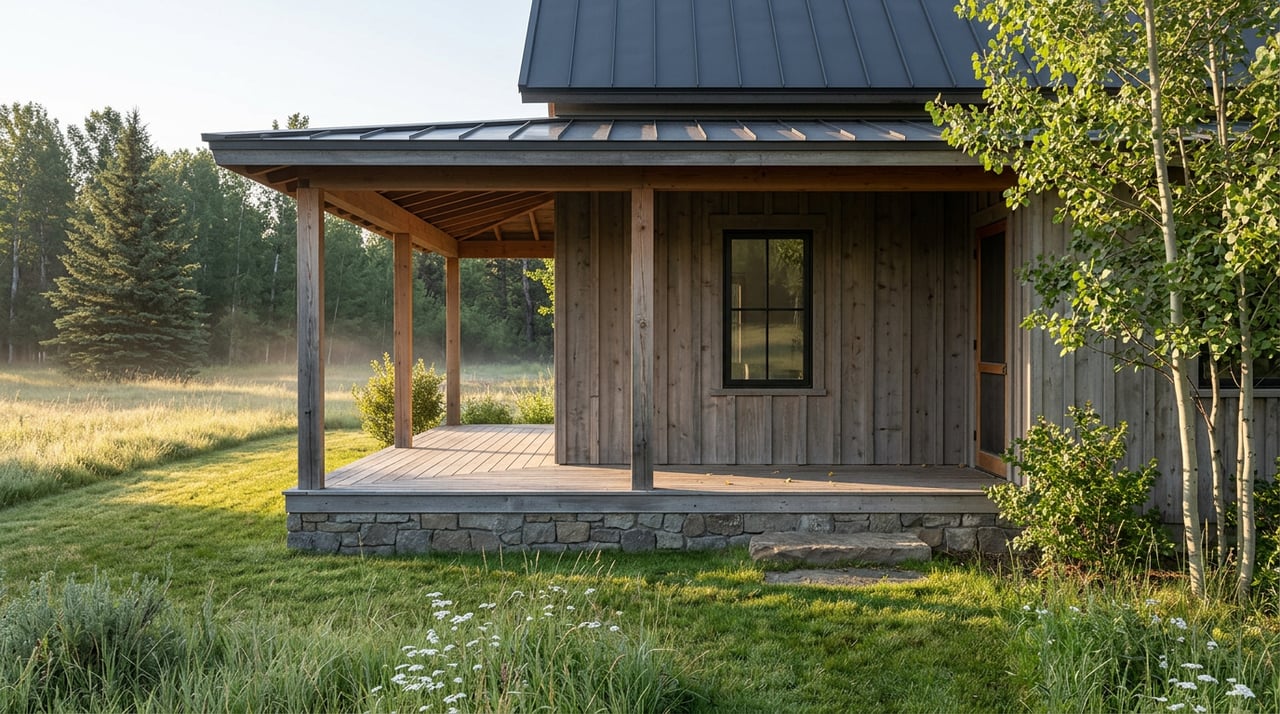
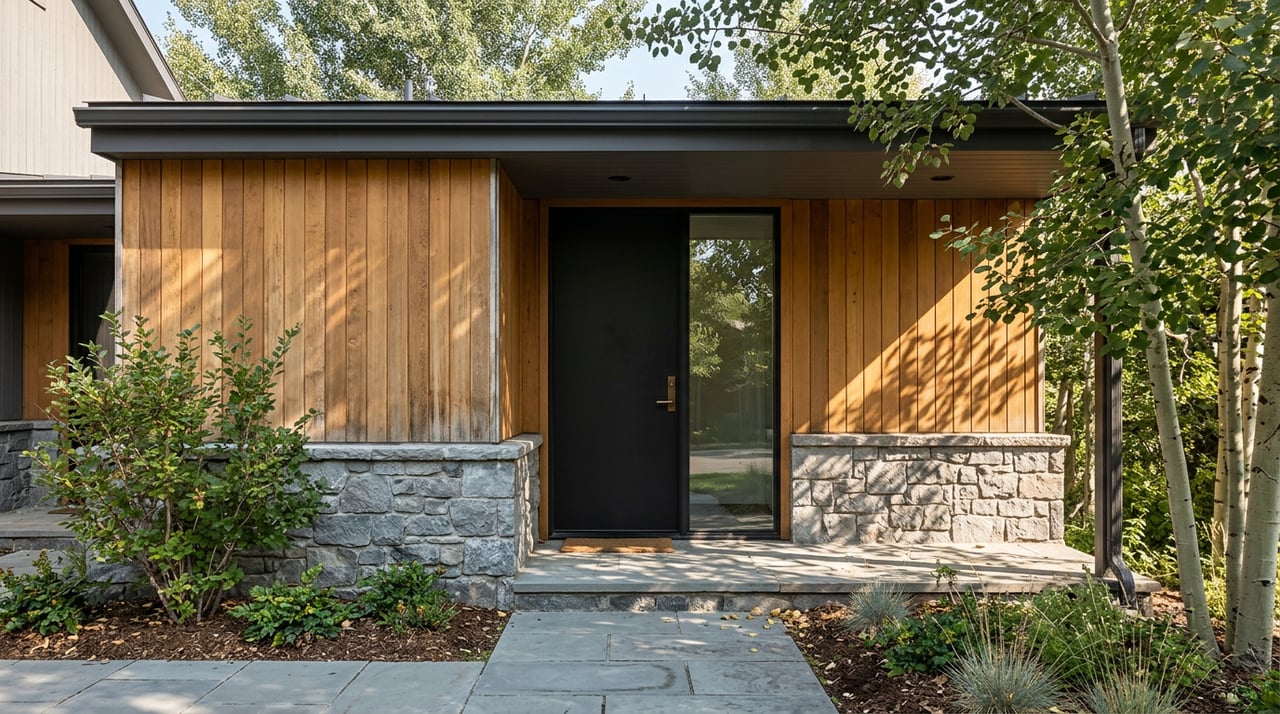
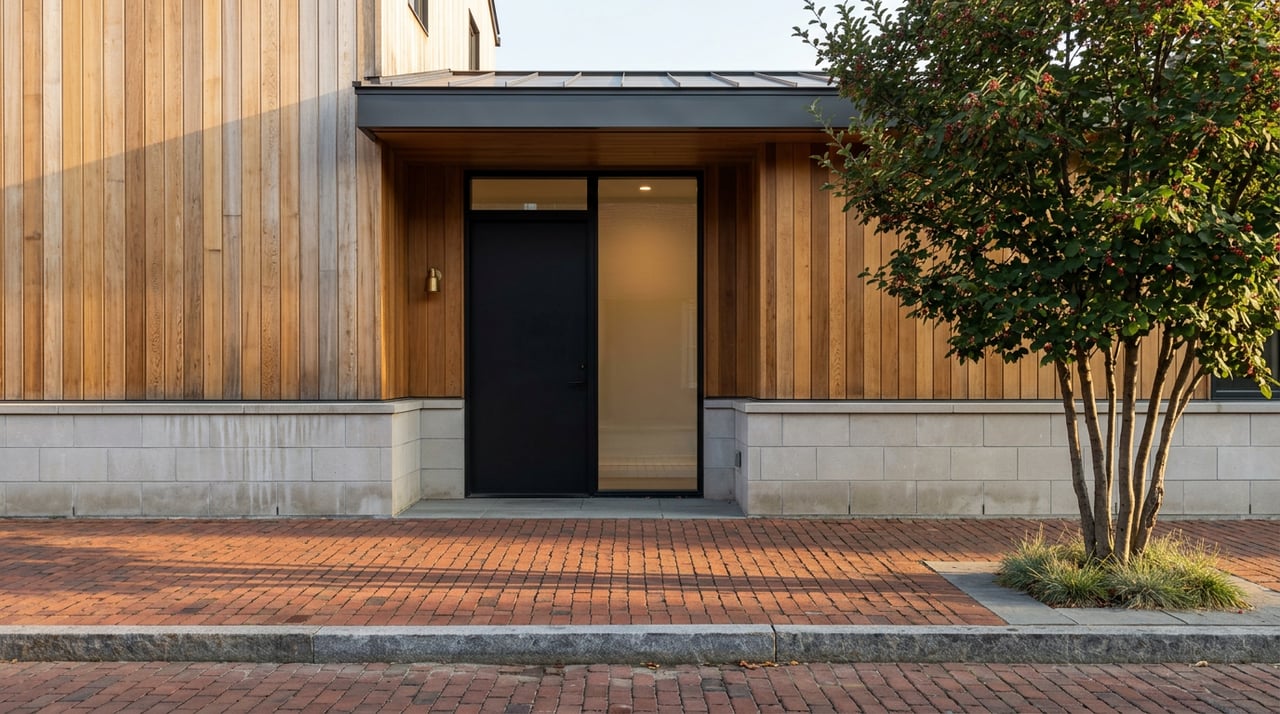
From a real estate perspective, West Aspen is not one product type. The research points to a broad mix that includes historic cottages, renovated Victorians, midcentury modern homes, post-war chalets, and newer custom properties on non-uniform sites.
That variety is one reason the area can serve different buyer goals. Some people are drawn to legacy architecture and preservation value, while others want a more updated home still connected to the west-side setting.
The neighborhood pattern also matters. Because some later subdivisions have irregular lots and curving streets rather than the original town grid, site planning and home orientation can vary more than buyers expect.
Citywide market data help frame the broader price environment. In the Aspen Board of REALTORS® May 2026 update, the median sales price through May was $10.625 million for single-family homes and $3.4 million for townhouse and condo properties, with 77 single-family listings and 58 townhouse and condo listings in inventory at that snapshot.
These are citywide figures, not West Aspen-specific pricing. Even so, they help explain why amenity-rich west-side neighborhoods are often discussed in terms of scarcity, use-case fit, and long-term holding power.
In other words, buyers here are often weighing more than square footage alone. They are evaluating how architecture, location, recreation access, and limited supply come together over time.
What makes West Aspen’s Club Corridor compelling is the combination of preserved neighborhood fabric and concentrated recreation. The appeal is not just the golf course, not just the private club, and not just ski access.
It is the way those elements stack together. You can live in a part of Aspen with architectural depth, access public and private amenities nearby, and stay closely connected to year-round mountain recreation.
That kind of overlap is hard to replicate. It is also why buyers often see West Aspen as a lifestyle decision first, with real estate value flowing from how well the area supports daily use.
If you are weighing homes in the West End or along Aspen’s west-side corridor, nuanced neighborhood guidance matters. For a confidential conversation about fit, access, and long-term positioning, connect with Jennifer Banner.
Stay up to date on the latest real estate trends.