When you list in Aspen matters as much as how you list. In a resort market shaped by ski season, world-class festivals, and distinct micro-markets, timing can influence your days on market, competitive set, and final terms. You want a launch plan that meets buyers where they are and showcases what your property does best. Below, you’ll find the seasonal windows that work in Aspen, how micro-markets change the calculus, and a practical plan to prepare. Let’s dive in.
Aspen seasonality at a glance
Aspen’s buyer presence concentrates during two periods: peak ski season in mid-winter and the summer festival stretch. Spring typically provides the broadest pool of active buyers and new listings. Pre-holiday can deliver selective, motivated activity but often with lighter showing traffic in mid-December.
The smartest timing aligns your property’s primary appeal with the season that highlights it. Ski access shows best in winter. Downtown walkability shines during festivals. Estates with acreage read strongest in spring and summer when grounds and views are on full display.
Compare listing windows
Pre-holiday: Oct to early Dec
- Typical dynamics: Buyers aiming to close before year-end are active. Inventory can be lighter as many sellers wait for spring.
- Pros: Less competing inventory, plus potential year-end closings for tax or lifestyle goals.
- Cons: Showing traffic can slow mid-December. Holiday decor needs careful staging and photography planning.
- Best for: Homes with winter appeal, ski proximity, and sellers targeting a same-year close.
Mid-winter: late Dec to Feb
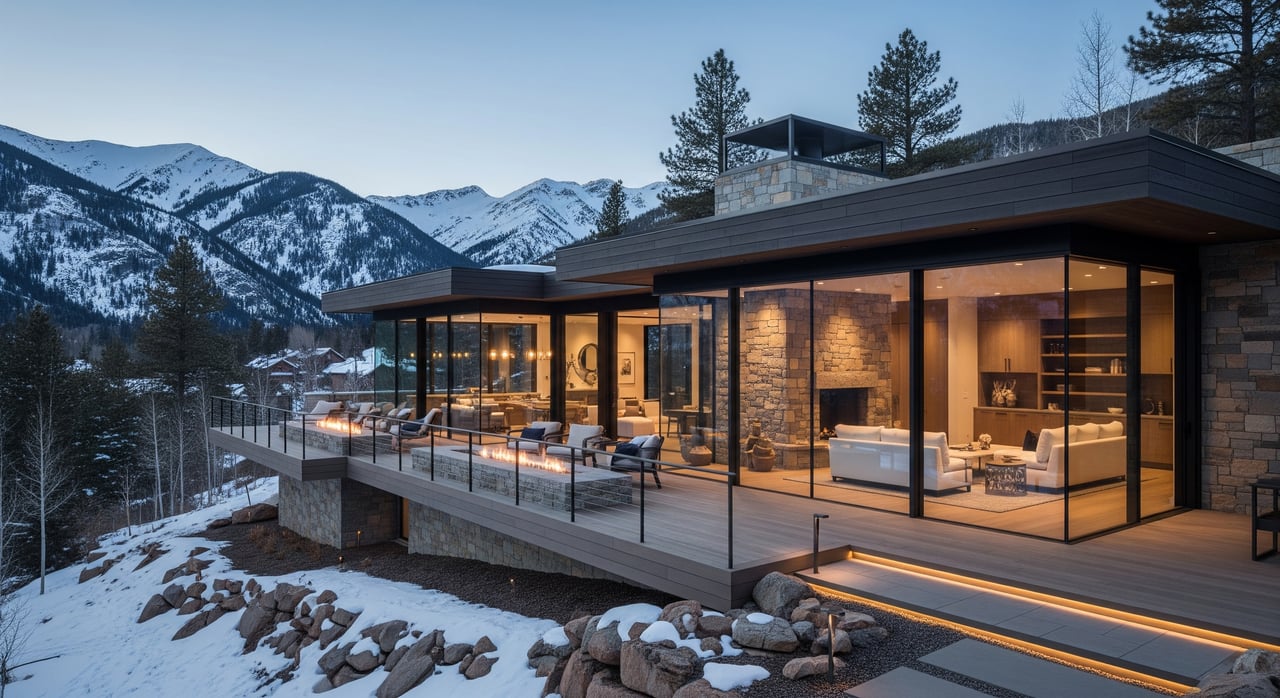
- Typical dynamics: Peak ski weeks bring high-net-worth visitors who view in person. Walk-to-town and ski-in/out properties perform well.
- Pros: Strong on-the-ground buyer presence and well-qualified showings. Potential for swift decisions.
- Cons: Schedules cluster around holiday weeks and long weekends. Competing luxury inventory can be higher in some winters.
- Best for: Ski-access homes and downtown luxury condos that show beautifully in winter.
Spring shoulder: Mar to May
- Typical dynamics: Spring attracts the largest overall buyer pool and the most new listings. Family moves often target late spring and summer closings.
- Pros: Maximum exposure across online channels and brokerage networks. Good fit for primary or seasonal buyers planning ahead.
- Cons: More competing inventory. Pricing must be precise to stand out.
- Best for: Sellers seeking broad reach, and properties appealing to families or summer-oriented buyers.
Summer festivals: late Jun to Aug
- Typical dynamics: Aspen’s cultural calendar draws UHNW visitors, media, and influencers. Many add property tours to their stay.
- Pros: High-impact, event-timed marketing and curated showings. Walkable, downtown properties benefit most.
- Cons: Busy calendars can complicate private showings. Inventory often increases as more sellers list.
- Best for: Downtown condos, luxury townhomes, and homes that are easy to show during short visits.
Micro-markets matter
Downtown Core
- Buyer priorities: Walkability, dining, cultural access.
- Best windows: Summer festivals for in-town buyers, plus spring for broad exposure. Downtown often shows well year-round when events are scheduled.
West End, Red Mountain, East Aspen
- Buyer priorities: Privacy, character neighborhoods, refined settings.
- Best windows: Spring for relocating families and seasonal owners planning ahead. Mid-winter can be effective when ski proximity is a factor.
Mountain estates and large lots
- Buyer priorities: Acreage, views, privacy, full-season use.
- Best windows: Spring and summer when landscaping, outdoor living, and access are optimal.
Snowmass Village, Buttermilk, Highlands
- Buyer priorities: Ski-in/out access, resort amenities, rental potential.
- Best windows: Mid-winter to showcase ski access, with spring as a strong secondary window for comparison shopping.
Match timing to buyer profiles
- Second-home and seasonal owners: Motivated by lifestyle, convenience, and potential rental flexibility. Often travel for ski season and festivals.
- UHNW buyers: Frequently in town for events and use private networks. Event-timed launches and invite-only showings can be decisive.
- Relocating families and primary-home buyers: Fewer in number, but they often aim for summer closings that align with the school calendar.
- Investors and rental-focused buyers: Consider seasonal rental demand and calendar transitions when evaluating timing.
Time marketing to Aspen’s events
Aspen’s calendar features the Food & Wine Classic, Ideas Festival, Music Festival, and a robust ski season. Festival weeks bring concentrated, qualified buyer traffic. Coordinating broker opens, VIP tours, and press moments with these windows can amplify results.
Photos and video should match the season that flatters your property’s strengths. Winter shoots work for cozy, ski-focused homes. Summer media is ideal for estates, gardens, and view corridors.
Build a backward plan
- 12 to 16 weeks before launch: Address repairs and systems checks. Plan landscaping updates and confirm any specialty inspections.
- 6 to 8 weeks before launch: Finalize staging with an Aspen-experienced team. Schedule lifestyle photography, cinematic video, and aerials.
- 2 to 4 weeks before launch: Begin discreet broker outreach, schedule VIP events tied to peak buyer presence, and compile disclosures and HOA documents.
- Launch week: Go live to MLS and execute curated showings during the targeted peak period.
Pricing strategy by window
- Pre-holiday and mid-winter: Lean into scarcity for well-positioned properties and be prepared for tighter negotiation windows.
- Spring: Price with precision against higher inventory and recent comps. Consider strategies that encourage competitive interest.
- Summer festivals: For central, walkable properties, pair pricing with event-driven exclusivity to capture buyer attention.
- Always: Test pricing sensitivity against current active inventory and pending sales in your micro-market.
Logistics that affect timing
- Access and weather: Remote or hillside estates can be harder to show in winter. Plan snow removal and on-site logistics in advance.
- Owner occupancy: If you plan to use the home during holidays or festivals, showing availability may be limited. Adjust launch timing accordingly.
- Use restrictions: Review any rental licensing, HOA rules, or town regulations that could affect marketing, showings, or occupancy.
- Closing targets: If year-end timing or a 1031 exchange matters, align the listing date with your legal and tax counsel early.
Metrics to watch before you list
- Active inventory in your property type and micro-market.
- Pending sales and recent closings, including price per square foot and sale-to-list ratios.
- Days on market trends for comparable luxury homes.
- Broker traffic and showing quality on similar listings.
- Event calendar overlaps with your planned launch window.
- Inquiry volume and private-showing requests on comps.
Quick seller checklist
- Decide your target window 12 to 16 weeks out and start repairs.
- Finalize staging and book photography 8 to 10 weeks out, timed to the season that flatters your home.
- Build a broker and VIP outreach list about 6 weeks out and order disclosure and HOA documents.
- Begin teaser outreach 2 to 4 weeks out and schedule showings to align with festivals or peak ski weekends.
- Launch with full marketing and track showings, feedback, and competing inventory.
How to choose your best window
- If your home’s top feature is ski access, mid-winter is your most natural stage. Complement with winter media that captures lifestyle.
- If walkability and culture lead, time launch to festival weeks when qualified buyers are in town.
- If acreage, gardens, and views define value, spring and summer show the property at its peak.
- If you need a year-end close, the pre-holiday window can work, provided showings are well planned before mid-December travel.
You do not need a perfect market to achieve a strong outcome. You need a clear strategy that matches your property to the right buyers at the right time, with polished presentation and targeted distribution. If you want a tailored plan for your home and micro-market, connect with Jennifer Banner to align timing, pricing, and marketing for a confident launch.
FAQs
What is the best month to list in Aspen?
- It depends on your property’s strengths: ski access often points to mid-winter, walkability to summer festivals, and estates to spring or summer for full landscape impact.
Does listing during festivals raise my sale price?
- It can help downtown and walkable properties by concentrating qualified buyers, but results also depend on competing inventory and the exclusivity of your marketing.
Is spring too competitive for luxury sellers?
- Spring brings the largest buyer pool and more listings; with precise pricing and standout presentation, you can still create competitive interest.
How far in advance should I prepare my home?
- Plan 8 to 16 weeks for repairs, staging, photography, and marketing preparation; complex updates may require more time.
Are winter showings difficult for remote estates?
- Winter can limit access for some locations. Arrange snow removal and on-site logistics or consider a spring launch when grounds and views are accessible.